Trying to choose between Marana and Oro Valley for your next move? You’re not alone. Each suburb offers a distinct mix of housing, schools, commute options, and outdoor access that can feel tough to compare. In this guide, you’ll get a clear, side-by-side look at what matters most, with local context to help you match a neighborhood to your lifestyle. Let’s dive in.
Quick take: Key differences
Marana is larger and growing faster, with more new-home options. Oro Valley is more established, with mature neighborhoods and a mountain-and-golf lifestyle.
- Population and growth: Marana has about 62,380 residents and grew roughly 20% since 2020, while Oro Valley has about 48,855 residents and grew around 3.8% over the same period, according to U.S. Census QuickFacts for Marana and Oro Valley.
- Home values (ACS baseline): Median owner-occupied values sit near $380,100 in Marana and $475,700 in Oro Valley, per the Census QuickFacts pages. Local market prices vary by neighborhood and month, so use current MLS data when you’re ready to shop.
- Household profile: Both towns have relatively high median incomes. Oro Valley skews older with a higher share of college-educated residents. Marana trends younger and has expanded rapidly, which supports more active new construction.
Homes and neighborhoods
Marana snapshot
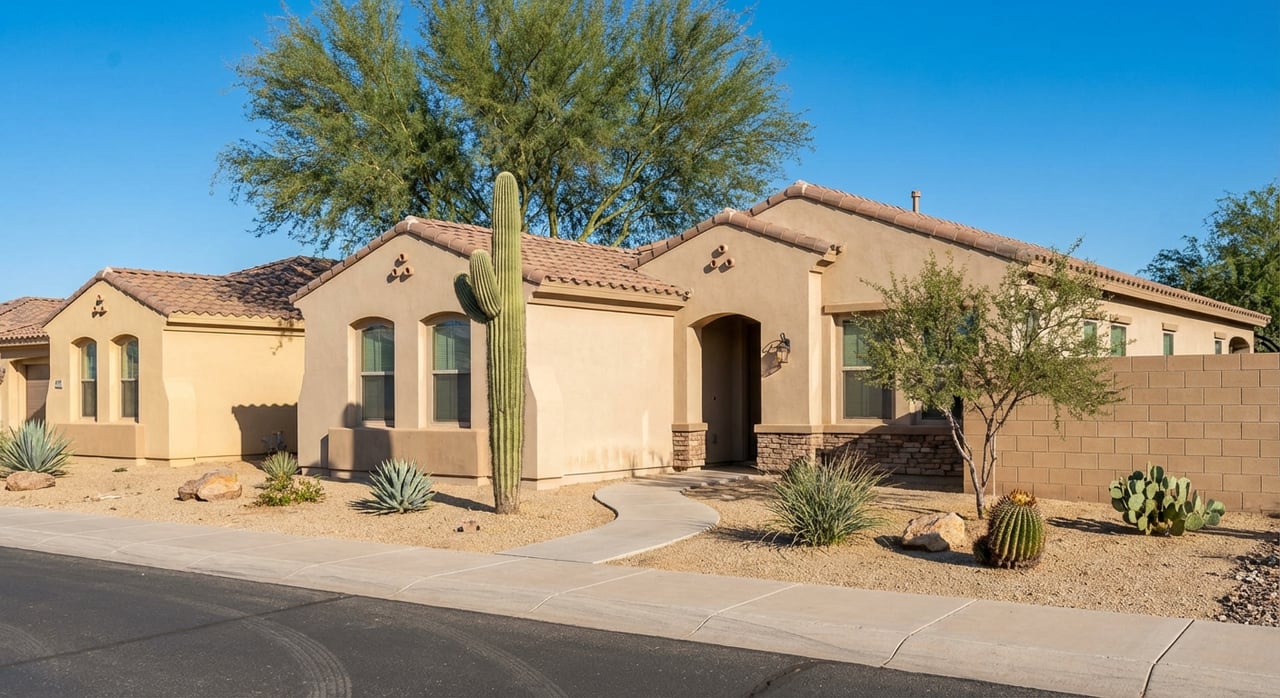
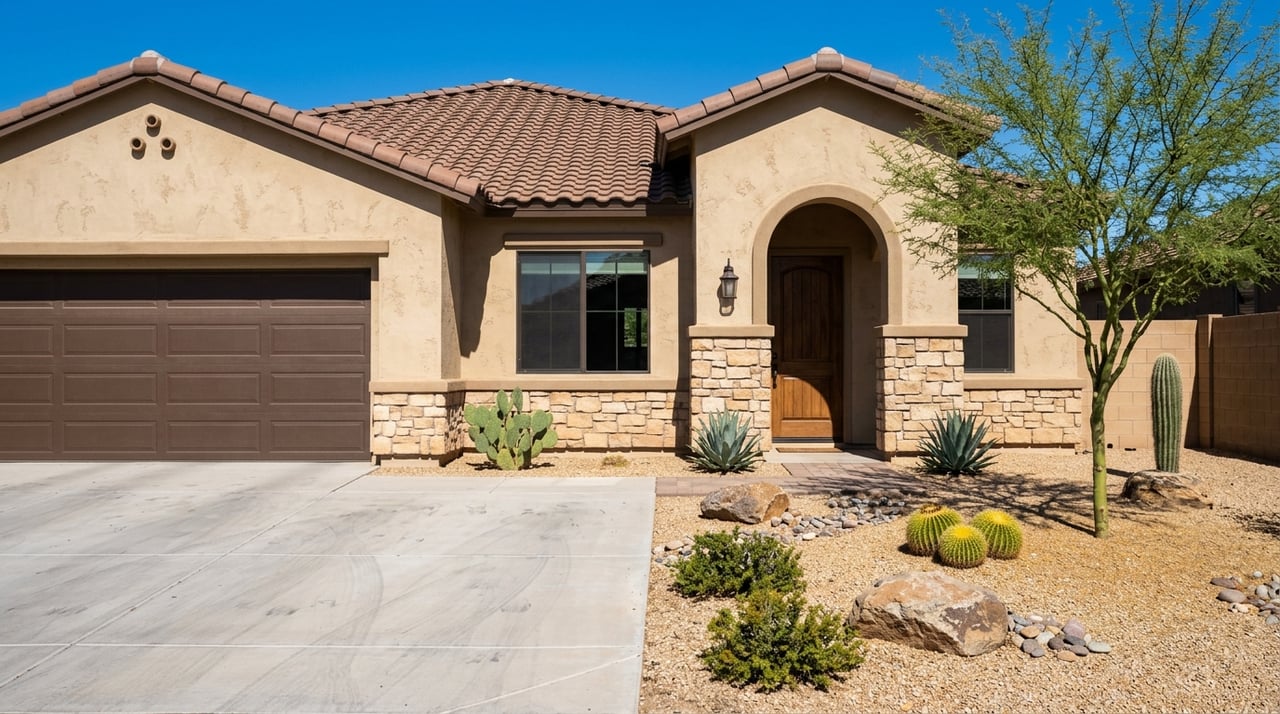
If you want newer homes and more builder choice, Marana delivers. You’ll find master-planned communities, active construction phases, and a wide range of prices.
- Master-planned options: Neighborhoods such as Gladden Farms, Continental Ranch, and Rancho Marana offer single-family homes with parks and trail connections. Prices vary by floor plan, lot, and phase, and tend to provide budget flexibility compared with similar square footage in Oro Valley.
- Resort living at Dove Mountain: Northwest Marana’s Dove Mountain blends custom and production homes with golf and resort amenities, miles of trails, and desert views. Explore the community’s trail network and amenities at the official Dove Mountain site.
- New-build inventory: Marana’s town planning emphasizes growth along key corridors with ongoing development. You can review a high-level town profile, growth highlights, and transport context via the Town of Marana profile.
What this means for you: Marana tends to offer more choice on lot selection, newer floor plans, and price-per-square-foot value, with high-end exceptions in Dove Mountain.
Oro Valley snapshot
Oro Valley is more built out, with established neighborhoods, mature landscaping, and a strong mix of resale homes, townhomes, and higher-end gated or country-club communities.
- Master-planned and townhome choices: Areas like Rancho Vistoso and Vistoso Village include single-family homes, townhomes, and active-adult sections. Townhome and condo associations often feature amenity packages and correspondingly higher monthly dues.
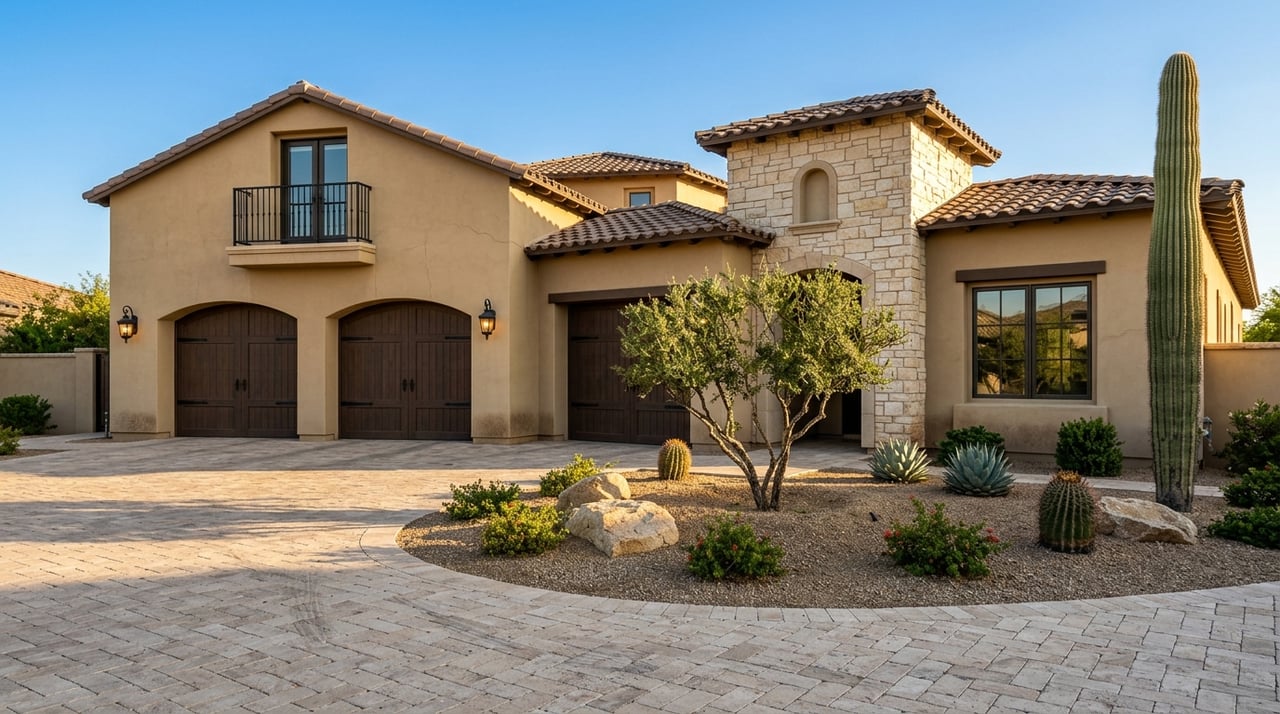
- Luxury enclaves: Stone Canyon, La Reserve, and Oro Valley Country Club are among the premium, gated communities with custom homes and golf access. These areas often trade above the town median.
- Inventory dynamics: With less new construction and more resale/custom inventory, Oro Valley tends to carry a price premium and move steadily when well presented and well priced.
What this means for you: Oro Valley offers refined, established neighborhoods with a strong luxury segment and country-club options, but with fewer brand-new builds compared with Marana.
Schools and boundaries that matter
School choice often drives neighborhood choice, so confirm boundaries and options early.
- Marana Unified School District (MUSD): MUSD serves much of Marana and reports roughly 13,000 students with continued capacity growth, including a new K–8 campus at Tangerine Farms opening for the 2025–26 school year. Review current campuses and boundary details on the MUSD schools page.
- Amphitheater Public Schools (Amphi): Oro Valley is primarily served by Amphi, including Canyon del Oro and Ironwood Ridge high schools. The district is known locally for broad AP and CTE offerings. See programs and high-school listings on Amphi’s site.
- Charter and private options: The northwest Tucson area includes several charter and private schools. If schools are your top factor, check district boundary maps and charter application timelines before choosing a neighborhood.
How to use this: Create a short list of neighborhoods, then verify current attendance areas and open enrollment options with the districts. Boundaries can shift, and program availability matters more than town limits.
Commute and access
Both towns report similar average commute times, though your route will vary by employer location.
- Average commute times: ACS estimates put Marana near 28 minutes and Oro Valley near 27 minutes. See the latest figures on Census QuickFacts.
- Key corridors and airports: Marana has quick access to I-10 and proximity to regional freight links and aviation facilities noted in the Town of Marana profile. Oro Valley sits along Oracle Road and closer to Catalina foothills employers and area business parks. Tucson International Airport serves both, with drive times varying by neighborhood.
Pro tip: Before you tour, plug your likely neighborhood and work address into a mapping app for rush-hour windows. Routes from north Marana versus central Oro Valley can differ widely for the University of Arizona, Raytheon, or downtown.
HOA styles and costs
In both towns, HOAs vary from light-touch neighborhood standards to amenity-rich associations. Understanding the fee structure upfront avoids surprises.
- Lower-fee, single-family HOAs: Many Marana subdivisions run modest monthly dues that cover common areas and basic standards. Some include front-yard maintenance.
- Amenity-heavy associations: Oro Valley has numerous established condo and townhome associations where dues commonly land in the several-hundreds per month. Recent examples in Vistoso Village show fees roughly in the $490 to $550 range for gated, amenity-forward townhome living. In Marana’s Dove Mountain, some neighborhoods are part of a master association, and separate club memberships may apply.
Use this quick checklist when you review HOA documents:
- What is included in dues, such as water, exterior insurance, landscape, or roof?
- Is there a master association and a sub-association, and how do dues stack?
- What are ARC design rules for paint, landscape, and additions?
- Are there rental or short-term rental restrictions?
- How strong is the reserve fund, and are special assessments planned?
- Are there transfer or capital improvement fees at closing?
Outdoor lifestyle and parks
You get Sonoran Desert access in both towns, but the terrain and trail networks feel different.
- Marana highlights: Dove Mountain offers golf, resort amenities, and access to more than 50 miles of trails, plus the Tortolita Preserve. Start with the Dove Mountain overview to see trail and community details.
- Oro Valley highlights: You are close to Pusch Ridge and Coronado National Forest trailheads, an established network of shared-use paths like the Cañada del Oro route, and popular parks including Honey Bee Canyon, Naranja Park, and James D. Kriegh Park. Explore programs and maps through Oro Valley Parks and Recreation.
- Catalina State Park access: Families and hikers love the loops and camping at nearby Catalina State Park. Get an overview from Arizona State Parks.
Which is right for you?
If you want a quick way to frame the decision, use these cues as a starting point:
- Prioritize new construction and price flexibility: Look to Marana for active builder communities and wider lot and floor-plan choices. High-end exceptions exist in Dove Mountain.
- Prefer established neighborhoods and premium enclaves: Oro Valley tends to fit, with mature resale inventory, gated luxury communities, and mountain access.
- Need to weigh schools deeply: Start with Oro Valley’s Amphitheater high-school options and confirm program fit and boundaries. If you prefer new K–8 campuses and newer subdivision schools, explore Marana’s growing MUSD options.
- Want golf or resort amenities: Both towns offer them, with Dove Mountain in Marana and several country-club options in Oro Valley.
- Commute depends on employer: Average times are similar. Test routes from specific neighborhoods to your workplace during peak hours.
Your next steps
- Shortlist 2 to 3 neighborhoods in each town that match your budget and floor-plan needs.
- Verify school boundaries and program offerings with MUSD and Amphi.
- Map real commute windows for each neighborhood to your employer.
- Review HOA documents early, including what dues cover and any restrictions.
- Walk the areas at different times of day to get a feel for traffic and trail access.
When you are ready to compare live listings, tour new-build models, or pressure-test your commute, connect with a local guide who knows both towns well. Reach out to Luxury Signature Group for a focused consultation tailored to your goals.
FAQs
What are typical home values in Marana vs. Oro Valley?
- Census baselines show median owner-occupied values near $380,100 in Marana and $475,700 in Oro Valley, though current market prices vary by neighborhood and month.
Which suburb is better for high-school options in northwest Tucson?
- Many families look to Oro Valley for Amphitheater high schools like Canyon del Oro and Ironwood Ridge, but you should confirm current boundaries and programs with the district.
How different are commute times between the two towns?
- ACS estimates are similar, around the high-20-minute range, but actual times depend on your exact neighborhood and employer location.
Where will I find the most new construction?
- Marana generally has more active new-home communities and lot availability, while Oro Valley is more mature with resale and custom homes.
What HOA fees should I expect in condo or townhome communities?
- In Oro Valley, many condo and townhome associations run in the several-hundreds per month, while Marana varies by neighborhood and amenity level.
What outdoor options stand out in each town?
- Marana’s Dove Mountain features resort living and extensive trails, while Oro Valley offers foothills trailheads, shared-use paths, and access to Catalina State Park.