Thinking about a home in Green Valley but not sure which style fits your life in the desert? You want something comfortable, low maintenance, and easy to enjoy year-round or seasonally. This guide breaks down the most popular home styles you will see, the desert-ready features that matter, and what to look for on tours so you can buy with confidence. Let’s dive in.
Why style matters in Green Valley
The Sonoran Desert climate shapes how homes are designed and how they live day to day. Summers run hot with strong sun, winters are mild, and rain concentrates in monsoon season. That means shade, efficient cooling, and water-wise landscaping are top priorities.
If you are 55+ or a seasonal buyer, single-level living and simple maintenance go a long way. You will see a lot of stucco exteriors, tile roofs, courtyards, and covered patios. These choices help manage heat and sun while keeping upkeep sensible.
Ranch homes
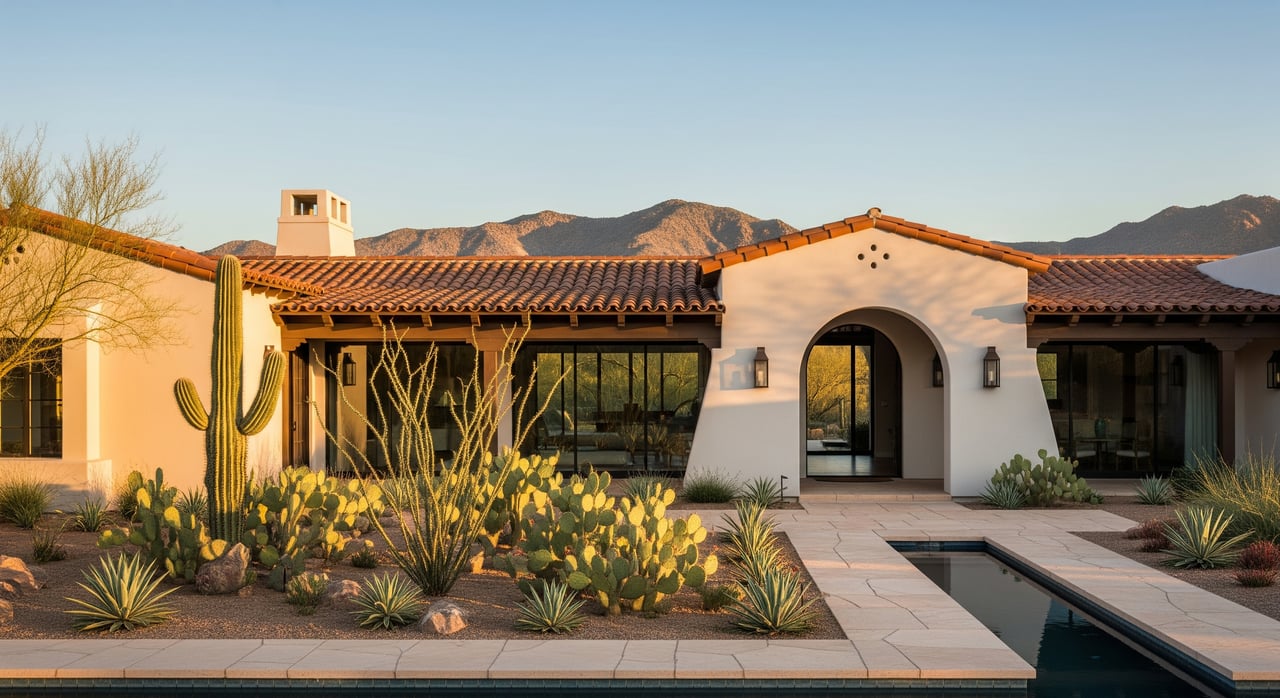
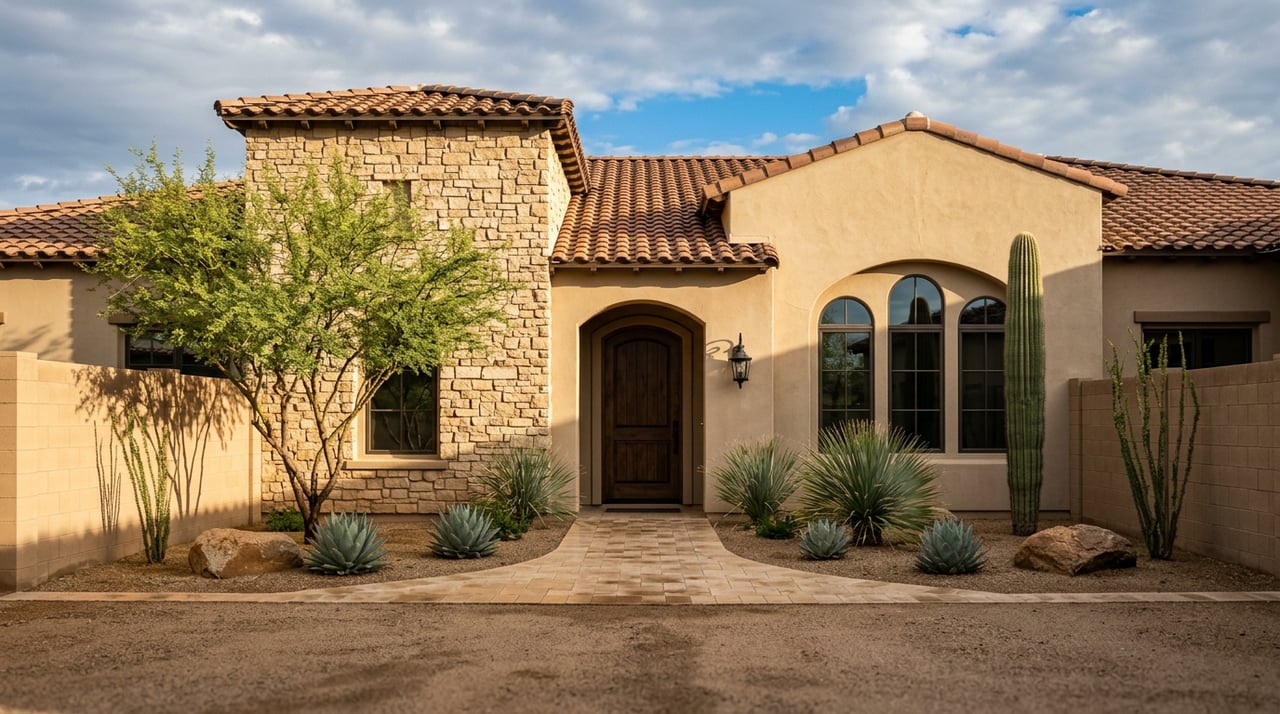
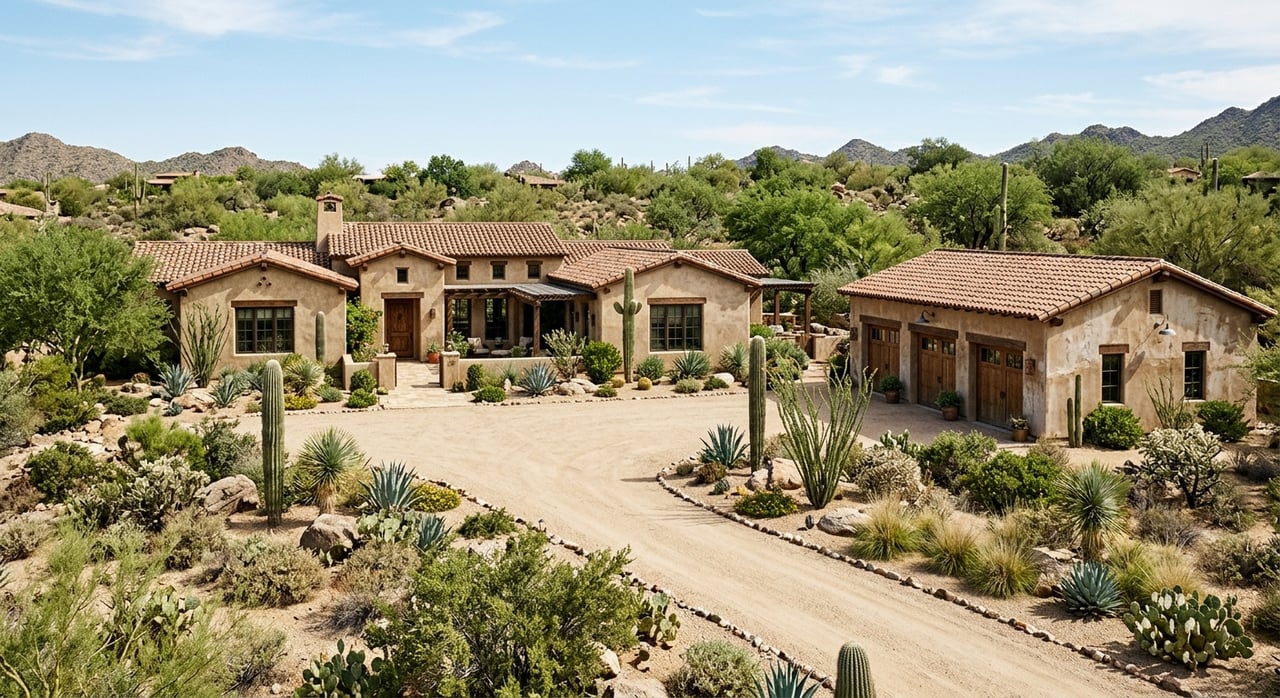
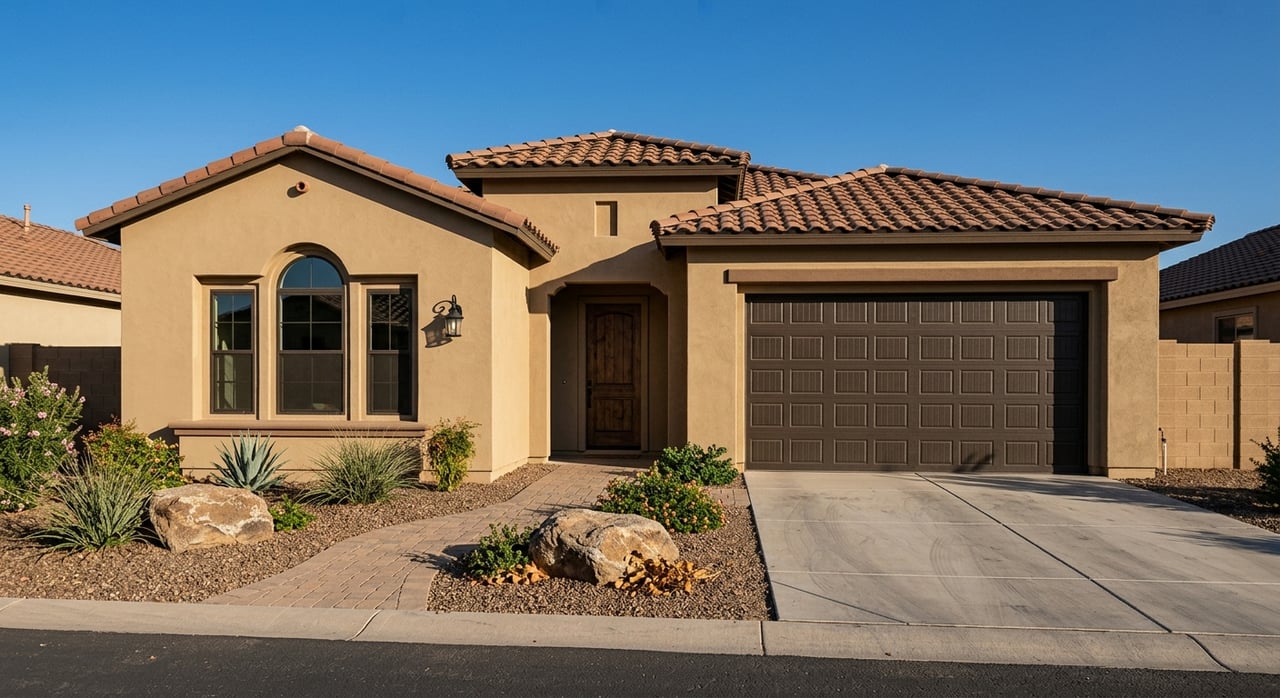
Ranch homes are common across Green Valley. They sit low to the ground, spread horizontally, and usually keep everything on one level. You will often find open living areas that connect directly to a covered patio.
Key features to spot
- Single-story floor plan with minimal steps
- Low-pitched gable or hipped roof, usually with clay or concrete tile
- Stucco exterior and attached garage
- Open plan that flows to patios or a courtyard
Why it fits desert living
- Extended eaves and covered patios help shade windows and walls
- West-facing windows often have added sun control
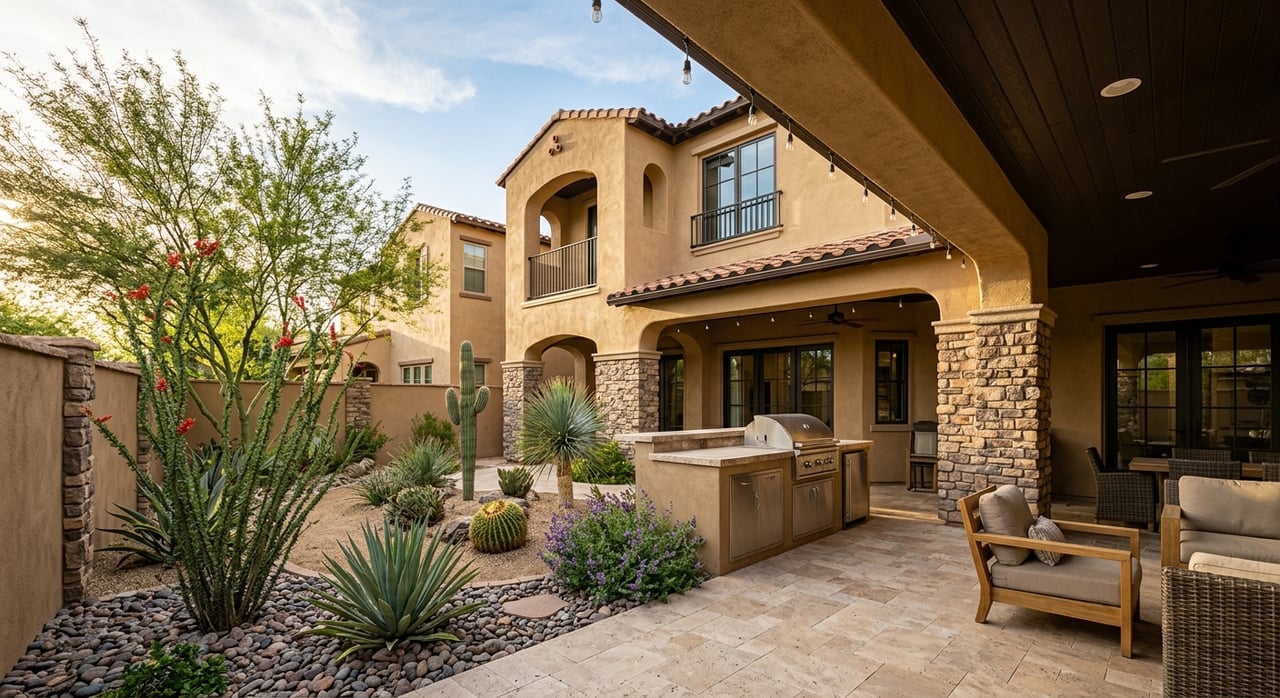
- Courtyards create protected outdoor rooms you can use more months of the year
Maintenance notes
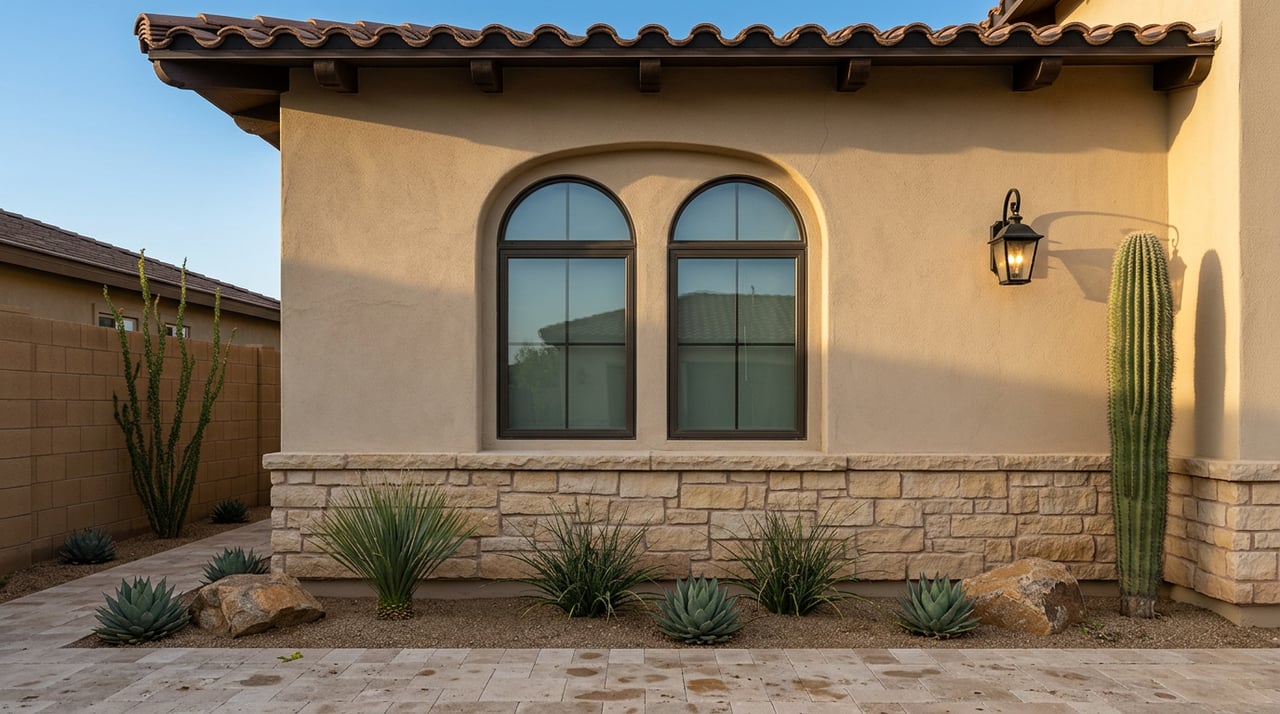
- Inspect stucco for cracks and plan for periodic patching and repainting
- Tile roofs are durable; check for broken tiles and sound flashing
- Landscaping often shifts to xeriscape to reduce water use and weekly chores
Territorial and Territorial Revival
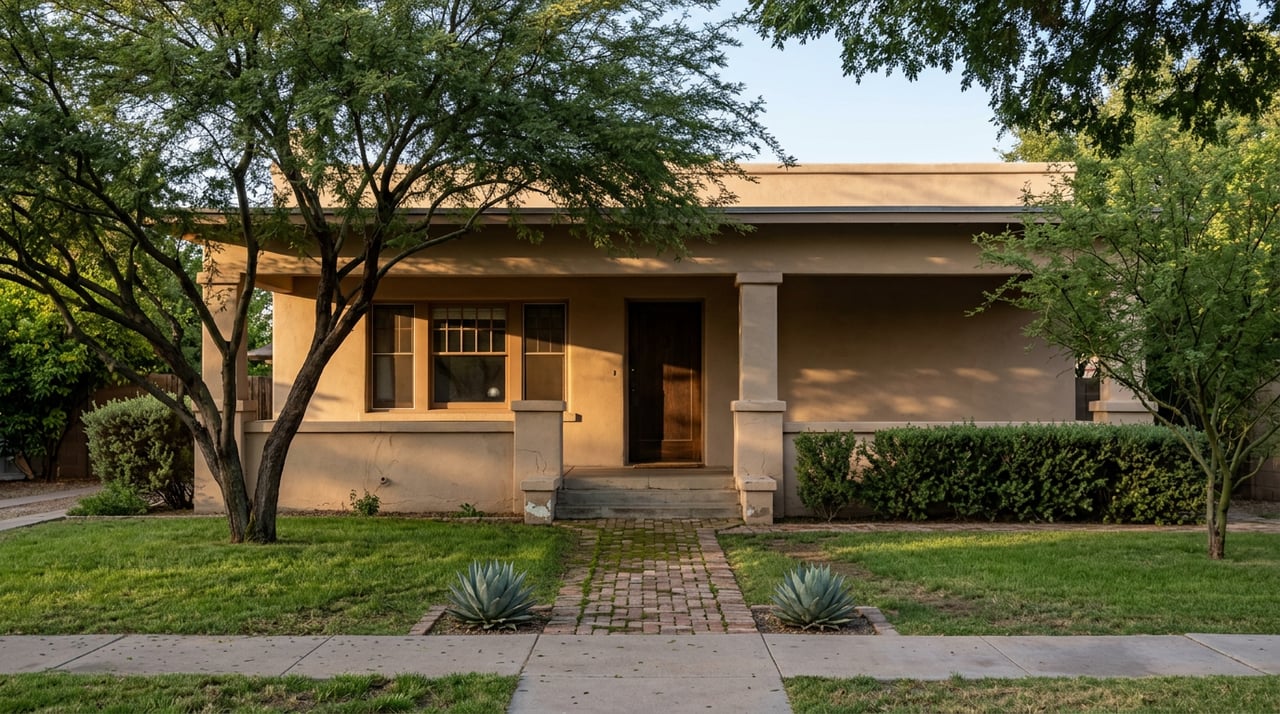
Territorial styles draw from early adobe-era design and highlight simple forms with regional detail. Look for squared massing, flat or low-pitched roofs with parapets, and occasional brick or stone trim.
Key features to spot
- Flat or low-pitched roofs with parapets
- Stucco in earth tones with brick or stone accents
- Recessed windows and wood or metal trim
Why it fits desert living
- Deep porches and portals add shade and cut glare
- Protected courtyards create cooler microclimates
- Compact, often single-level layouts make daily living simple
Maintenance notes
- Parapet and roof flashing should be inspected regularly
- Stucco care is similar to ranch homes; keep up with small repairs before they spread
Santa Fe and Pueblo Revival
Santa Fe and Pueblo Revival homes showcase rounded corners, thick-looking walls, and deep portals. They offer strong regional character that many buyers love.
Key features to spot
- Flat roofs with parapets and scuppers for drainage
- Rounded corners and earth-tone stucco finishes
- Exposed wood features such as vigas and lintels
- Recessed, shaded windows
Why it fits desert living
- Thick-appearing walls help moderate temperature swings when combined with shade and nighttime ventilation
- Courtyards and deep portals extend living space while limiting sun exposure
Maintenance notes
- Wood vigas and trim may need preservation treatments
- Watch stucco and roof drainage points, especially scuppers and flashing
Patio and courtyard homes
Patio and courtyard homes often sit on smaller lots with private outdoor spaces. Many are part of planned communities that focus on low-maintenance living.
Key features to spot
- Compact footprint with one-level living
- Private enclosed or semi-enclosed courtyards
- Stucco and tile roof construction, simple landscaping
Why it fits desert living
- Outdoor spaces are designed for shade and comfort, with morning sun and afternoon protection
- Smaller yards mean less upkeep if you travel seasonally
- Proximity to community amenities can simplify day-to-day life
Maintenance notes
- Some exterior elements may be handled by an HOA; confirm coverage and reserve funding
- Review rules for guests, rentals, and seasonal stays if you split time in other states
Desert features that add real value
The right desert-ready features make a home more comfortable and easier to maintain. As you compare homes, look closely at shade, landscaping, and energy systems.
Shade structures and outdoor living
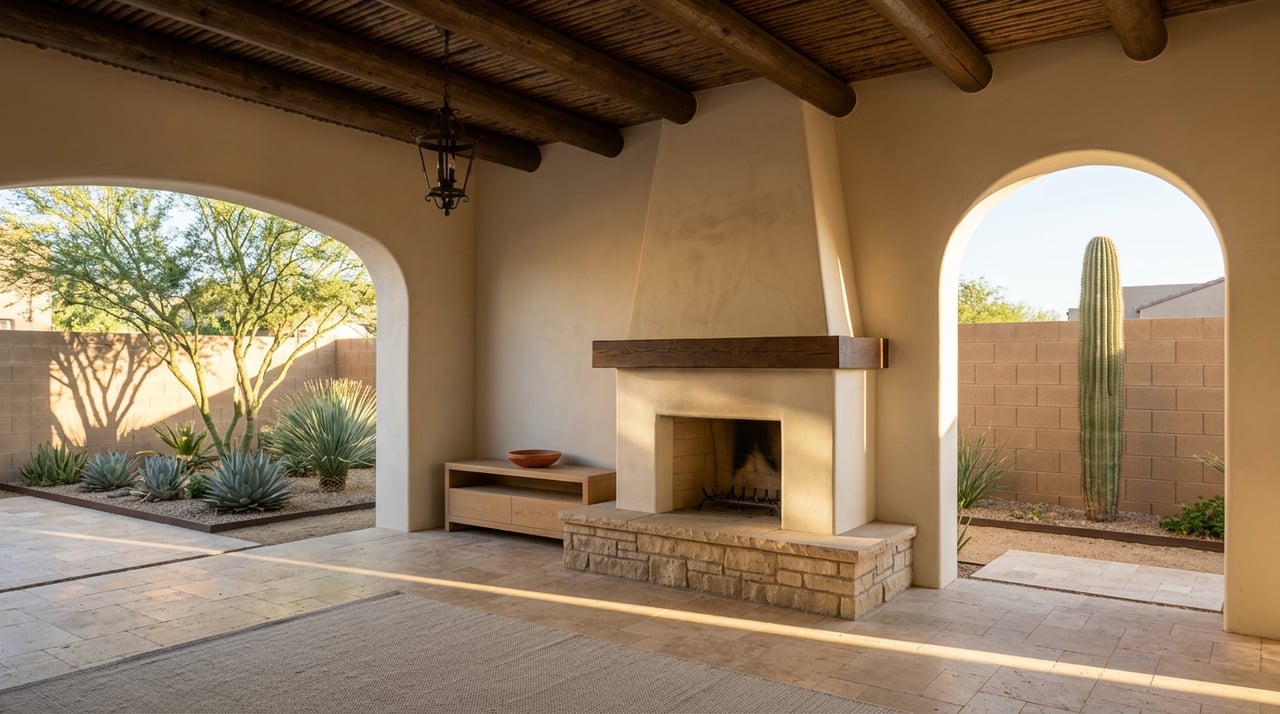
- Look for ramadas, covered patios, pergolas with shade cloth, and recessed portals
- Overhang depth and orientation matter; east-facing morning light is easier to manage than late afternoon sun
- Shade reduces heat on walls and windows and makes outdoor space usable in more seasons
Courtyards and enclosed outdoor rooms
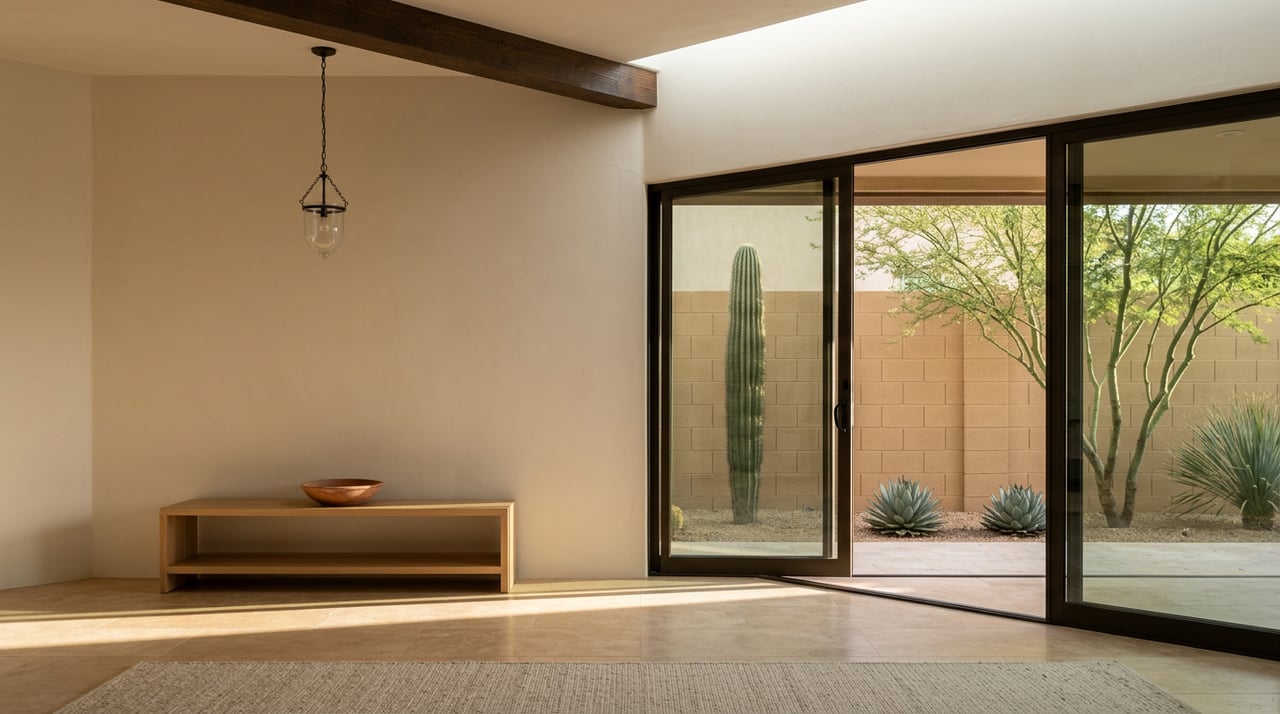
- Enclosed courtyards create privacy and cooler microclimates
- Courtyard walls can block wind and low sun while allowing airflow
- Small water features can cool air but may increase water use; weigh care needs
Xeriscape and low-water plants
- Aim for native Sonoran species and group plants by water needs
- Smart irrigation controllers and drip zones reduce waste and help with seasonal travel
- Minimize turf to lower water use and maintenance
Energy, HVAC, windows, and solar
- Cooling is the dominant energy load; ask about system age, SEER rating, duct condition, and thermostat type
- Passive strategies help: light exterior colors, shaded windows, and reflective roofing
- Low-e windows, exterior shading, and proper overhangs reduce heat gain
- If solar is present, confirm ownership, interconnection details, and inverter age
Materials and durability in the desert
- Stucco is robust but needs periodic patching; check around rooflines and openings
- Tile roofs last a long time; monitor for broken tiles and flashing issues
- UV exposure fades finishes; plan for repainting or recoating on a reasonable cycle
- Metal elements near irrigated areas can corrode; inspect railings and pergola components
What to check on tours
Bring a short checklist so you can evaluate both lifestyle fit and maintenance. Take photos of key details to compare later.
Accessibility and aging in place
- Single-level layout with minimal thresholds or zero-step entries
- Bathrooms with walk-in showers and walls that can accept grab bars
- Wide hallways and doors, and main bedroom on the primary level
Systems and maintenance
- HVAC: age, service records, SEER rating, duct condition, and thermostat type
- Roof: tile or flat, age, flashing and scupper condition, any past leak history
- Water heater and plumbing: age, condition, and any freeze protection on exposed lines
- Solar: ownership status, performance records, and inverter age if present
- Stucco and paint: visible cracking or recent patches
- Garage: door operation, opener age, storage, and access
Outdoor and landscape
- Depth and orientation of patio covers and shade structures
- Courtyard privacy, non-slip hardscape, and easy circulation
- Plant palette focused on low-water species and any mature shade trees
- Irrigation zones, controller type, and valve condition
Community and logistics
- If applicable, confirm any age-restriction requirements and documentation
- Understand HOA fees, what they cover, and reserve funding for shared elements
- Review guest, rental, and seasonal occupancy rules, plus any RV or visitor parking rules
- Consider proximity to recreation, medical services, and daily shopping
Red flags to note
- Signs of moisture intrusion inside or near roof transitions
- Solar with unclear ownership or lapsed agreements
- Deferred roof or stucco maintenance
- Plantings too close to the structure that invite pests or root issues
- Undersized or poorly maintained HVAC equipment
Photo guide for your search
Clear photos help you compare homes and styles after a day of tours. Capture the features that matter in a hot, dry climate.
Must-have shots
- Full exterior from the street and a second angle that shows rooflines and overhangs
- Close-ups of style details: parapets and vigas for Pueblo, territorial brick or trim, and ranch eaves
- Covered patios and pergolas that show shade depth and furniture for scale
- Courtyard perspectives that show privacy, shade patterns, and interior connections
- Landscaping close-ups: drip irrigation heads, native plants, and turf alternatives
- Interior flow shots that highlight single-level circulation and bath/bed access
- Detail shots: HVAC condenser placement, roof tiles and flashing, window shading, solar panels, and garage storage
Caption tips
- Name the style in each caption to build your eye for differences
- Note desert-adapted features, such as portal depth or shaded window placement
- Add neutral maintenance tips, such as “tile roofs are durable; check for broken tiles and flashing”
Before you choose a style
Each of these styles can work well in Green Valley’s climate when paired with the right shade, materials, and systems. Your decision comes down to daily comfort, yard size, and how much time you want to spend on upkeep. Match the floor plan to your mobility needs and the outdoor spaces to the way you relax and entertain.
When you are ready to compare homes side by side, connect with a local advisor who knows the nuances of Green Valley’s neighborhoods, HOAs, and desert-ready features. If you want a clear next step, reach out to Luxury Signature Group for a practical, no-pressure conversation and a curated set of options.
FAQs
What are the most common home styles in Green Valley?
- You will most often see Ranch, Territorial or Territorial Revival, Santa Fe or Pueblo Revival, and low-maintenance patio or courtyard homes, all using stucco exteriors and tile or flat roofs suited to the desert climate.
How do Ranch and patio homes compare for low maintenance?
- Both work well, but patio homes often have smaller yards and some HOA-covered elements, while Ranch homes may offer larger garages and yards that can be converted to xeriscape for easier care.
What should I ask about HVAC in a desert home?
- Ask about system age, SEER rating, service history, duct condition, thermostat type, and condenser shading, since cooling is the dominant energy load in Green Valley.
Are flat roofs in Santa Fe or Territorial homes a concern?
- Flat roofs with parapets can perform well when properly flashed and maintained; inspect scuppers, parapet caps, and roof coatings and look for any signs of past leaks.
What is xeriscape, and why is it popular here?
- Xeriscape uses low-water, region-appropriate plants, drip irrigation, and minimal turf to reduce water use and maintenance while keeping outdoor spaces attractive and comfortable.
What community rules should seasonal buyers review?
- Confirm any age-restriction requirements, HOA coverage and reserves, guest and rental policies, irrigation schedules, and any rules about RVs or extended visitor parking before you buy.