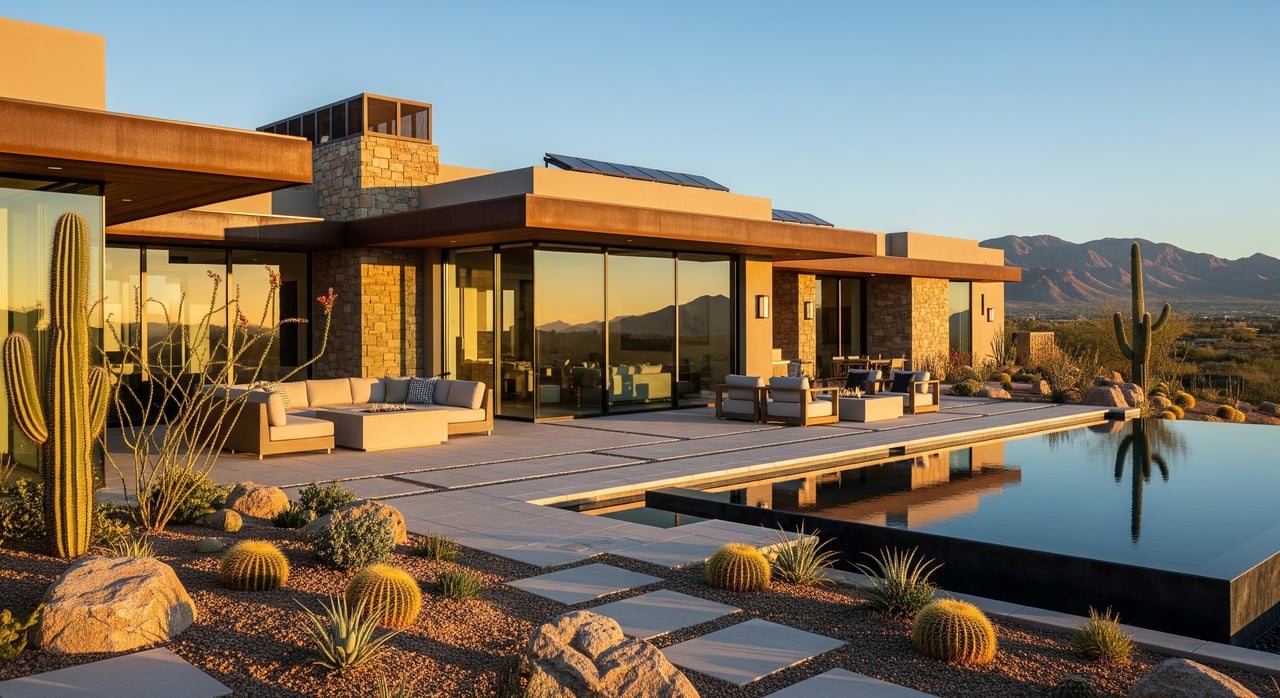
Gladden Farms New Construction Guide for Buyers
January 1, 2026
January 1, 2026
Thinking about a new-build in Gladden Farms but not sure where to start? You are not alone. New construction can be exciting, but it comes with deadlines, decisions, and fine print that can catch buyers off guard. In this guide, you will learn how new-build purchases work in Gladden Farms, how to budget for options, what inspections to schedule, and why you should secure representation before touring any model homes. Let’s dive in.
Gladden Farms is a master-planned community in Marana, located in Pima County. Builders here offer a range of floor plans and timelines that appeal to move-up families. Amenities and neighborhood features can vary by phase, so confirm what is complete today and what is still planned.
Before you commit, verify the details that affect your daily life and your budget. Check the official community or developer sources for amenities, HOA dues, and rules. For school assignments, contact Marana Unified School District. For tax rates, parcel history, and permits, review Pima County public records. Planned amenities may be phased in over time, so it pays to check the developer’s schedule and HOA documents.
Local supply, current mortgage rates, and regional demand influence pricing and incentives. Builders adjust quickly to market conditions. When you are ready to shop, review local MLS statistics or regional market reports to understand your leverage.
Spec homes are completed or nearly completed properties built without a specific buyer. They are ideal if you want a faster move-in and a tangible home to walk through. You can often close within weeks or a few months, depending on builder processes and lending.
Pros include a shorter timeline and the ability to inspect the actual home. You may also find discounts on closeout inventory. The tradeoff is limited customization, since structural and finish choices are already set.
With a to-be-built home, you choose a lot and floor plan and the builder starts construction after you sign the contract. You get control over layout options and finishes, plus the latest materials and codes. Expect a longer timeline, often several months from contract to closing, and plan for possible permit or supply delays.
Smaller or custom builders may allow broader design flexibility. You can incorporate unique features or floor plans, but expect higher costs, longer timelines, and more coordination. Contracts and warranties can differ from production builders, so review documents carefully.
Builders typically split selections into two buckets. Structural and early selections come first. These are items like floor plan options or lot-specific structural needs that must be chosen before framing. Finish selections happen later at a design appointment and may include cabinets, flooring, paint, countertops, and appliances. Missing deadlines can lead to change-order fees or limit your choices.
Many contracts include allowances for categories like countertops or appliances. If your selections exceed those allowances, you pay the difference. Change orders are common but usually include fees and can extend timelines. Ask for line-item pricing and confirm that upgrades are installed by the builder’s trade partners, since that can affect warranty coverage.
The common sequence is contract, permitting, site work and foundation, framing, rough-ins for mechanical, electrical, and plumbing, drywall, finishes, final inspection and certificate of occupancy, then closing. Spec homes may close in weeks or a few months. To-be-built production homes often take several months, commonly 4 to 9 months depending on permits, lot readiness, trades, and supply availability.
Tour model and finished inventory early and request plans and specifications before you write an offer. During construction, consider hiring an independent inspector for a pre-drywall check and a final inspection. Independent reports can uncover code or installation issues and help you document items that need correction. At your pre-closing orientation, create a punch list of items to be addressed before or shortly after closing.
Many builders follow a structure that includes a workmanship warranty for about one year, a systems warranty for mechanical, electrical, and plumbing items for about two years, and a longer structural warranty that can extend up to 10 years with a third-party provider. Always obtain the warranty document before you sign, confirm who handles claims, review response times, and note whether a third-party company administers coverage. Warranty terms vary by builder and may be affected by Arizona law, so read every clause.
The on-site sales representative typically works for the builder and represents the builder’s interests. They can explain floor plans and options, but they do not provide independent advocacy for you. A buyer’s agent helps you evaluate contract terms, verify incentive language, coordinate inspections, and protect your interests throughout selections and closing.
Getting representation in place early prevents confusion and preserves your negotiation leverage. Your agent can review pricing, options language, and incentive timelines before you make any verbal commitments. They also ensure that any concessions discussed in the sales office are captured in the written contract, not just referenced in conversation. Many builders require a signed buyer-agent disclosure to recognize your agent for commission purposes, so handle this before you visit model homes.
Builders often allocate a cooperating commission to the buyer’s agent and disclose this in MLS remarks or builder policy. Practices vary by builder. Ask for the cooperating commission policy in writing and discuss any Buyer Broker Agreement with your agent prior to touring or signing documents.
Depending on market conditions, you may be able to negotiate closing cost credits, design-center upgrade credits, interest rate buydowns with a preferred lender, reduced lot premiums, flexible settlement dates, or temporary occupancy arrangements. Base pricing on popular plans is usually less flexible, and some standard inclusions are set. An experienced local agent can help you focus on the items most likely to move.
Spec or inventory homes typically use standard mortgages such as conventional, FHA, or VA depending on eligibility. To-be-built purchases may require construction-to-permanent or one-time-close loans. Builders often have preferred lenders with incentives like closing cost help or rate locks. Compare these offers with independent lenders and confirm the builder’s timeline aligns with lock periods and appraisal timing.
Builder incentives shift with supply and demand. During slower periods you may see incentives on spec homes or interest rate buydowns. In tighter markets, incentives may be limited. Incentives are often time-limited, so make sure they are written into the contract with specific terms and deadlines.
New neighborhoods commonly include HOA dues for common-area maintenance and amenities. CC&Rs and design guidelines may affect exterior changes, landscaping, and rentals. Review the HOA budget, reserve study, current dues, and any pending special assessments. Confirm the developer control period that outlines when the builder controls the HOA board.
Before closing, complete a final walk-through and confirm the punch list. Verify how warranties transfer and who to contact for service requests. In unusual timing scenarios, builders may use temporary power or occupancy agreements, so clarify responsibilities in writing.
If Gladden Farms fits your lifestyle, get organized before you tour. Set a budget for upgrades, secure written buyer representation, and gather your questions and checklists. Confirm builder incentives and timelines against current market conditions, and ensure all promises appear in the contract.
When you are ready, connect with a local advisor who knows the Marana market and the builder landscape. For boutique, high-touch guidance from contract to closing, reach out to Luxury Signature Group. We will help you plan selections, negotiate incentives, coordinate inspections, and navigate HOA and warranty details so you can move in with confidence.
Get assistance in determining current property value, crafting a competitive offer, writing and negotiating a contract, and much more. Contact us today.