Essential Tucson Desert Living Tips for Home Buyers
June 4, 2026
June 4, 2026
Thinking about moving to Tucson? Your first surprise may not be the mountain views or the sunshine. It may be how much desert living changes what matters in a home. If you are relocating from a milder or wetter climate, this guide will help you look at Tucson homes through the right lens so you can buy with more confidence. Let’s dive in.
Tucson is a true hot-desert market, and the climate shapes daily life in ways many relocating buyers do not expect. The University of Arizona reports more than 300 sunny days each year, with an average annual temperature of 83.7°F, summer highs around 100°F, and winter highs often in the mid-60s to low-70s.
That means a home’s comfort and upkeep depend on more than square footage or finishes. In Tucson, shade, cooling, drainage, and outdoor design can have a big impact on how a property lives day to day.
The monsoon season also matters. The National Weather Service defines the local monsoon season as June 15 through September 30, bringing extreme heat along with thunderstorms, flash flooding, dust storms, lightning, high winds, and occasional wildfire or tornado impacts.
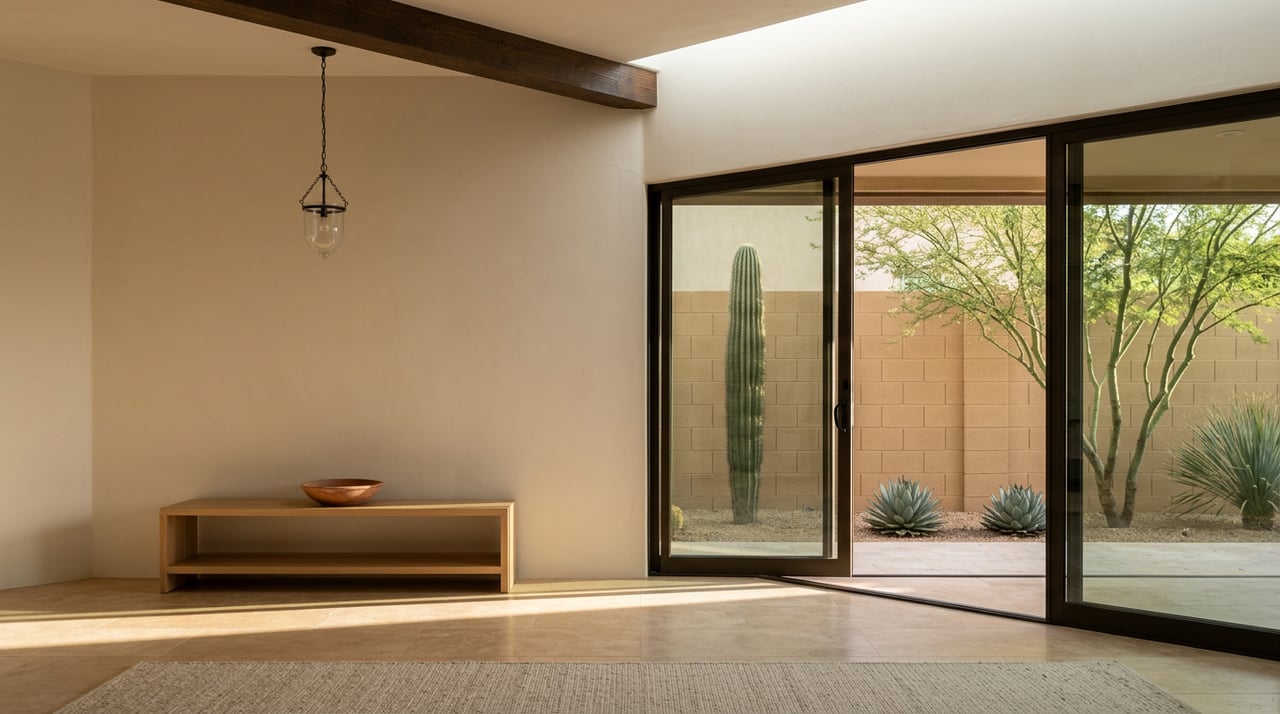
If you are touring homes in Tucson, pay close attention to how the property handles heat. A beautiful floor plan can feel very different in the desert if the home has little shade, older windows, or a struggling HVAC system.
The U.S. Department of Energy notes that in hot-dry climates like Tucson, features such as cool roofs, radiant barriers, low-E windows, air sealing, insulated attics, and ducts in insulated or conditioned spaces can make a meaningful difference. These are not minor upgrades in this market. They are practical features that support comfort and efficiency.
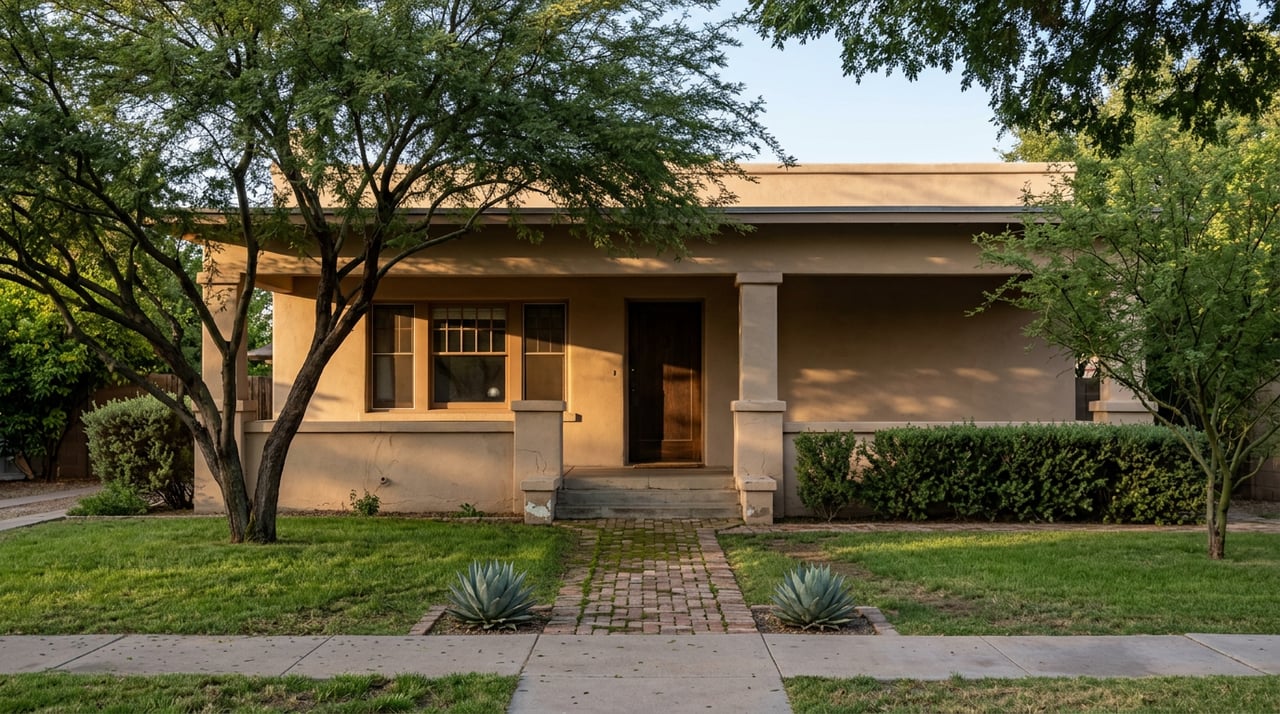
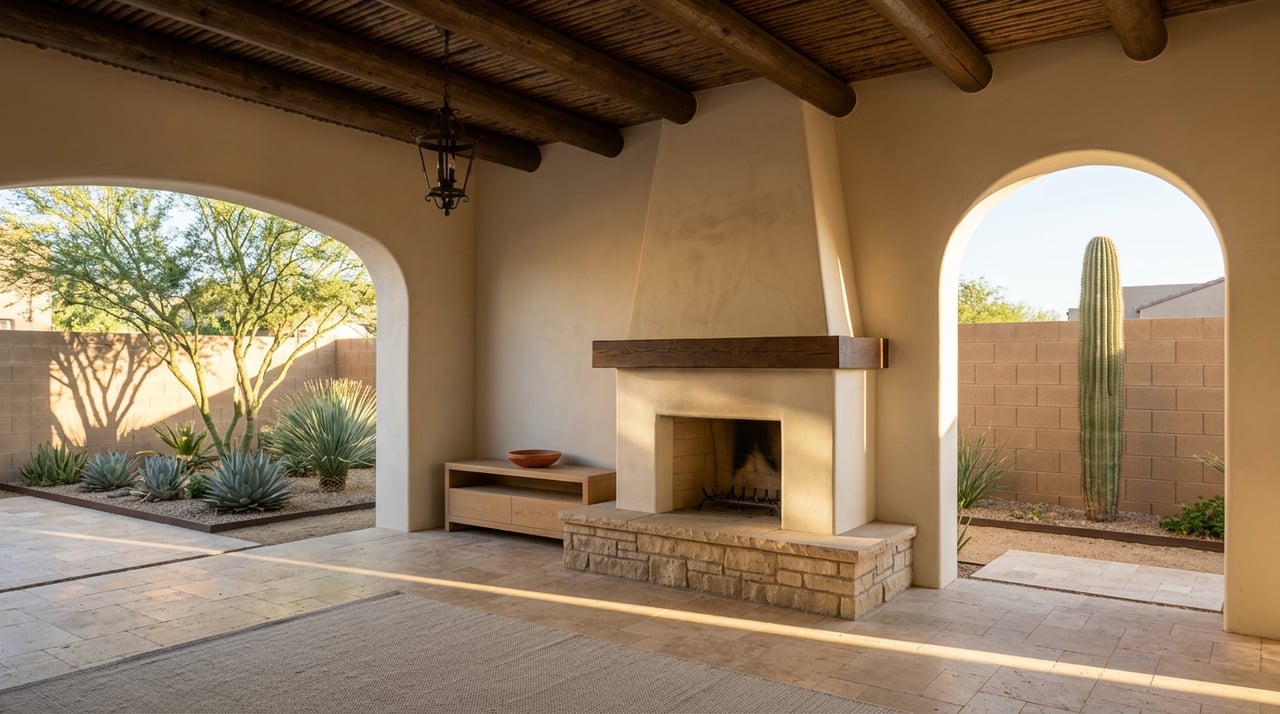
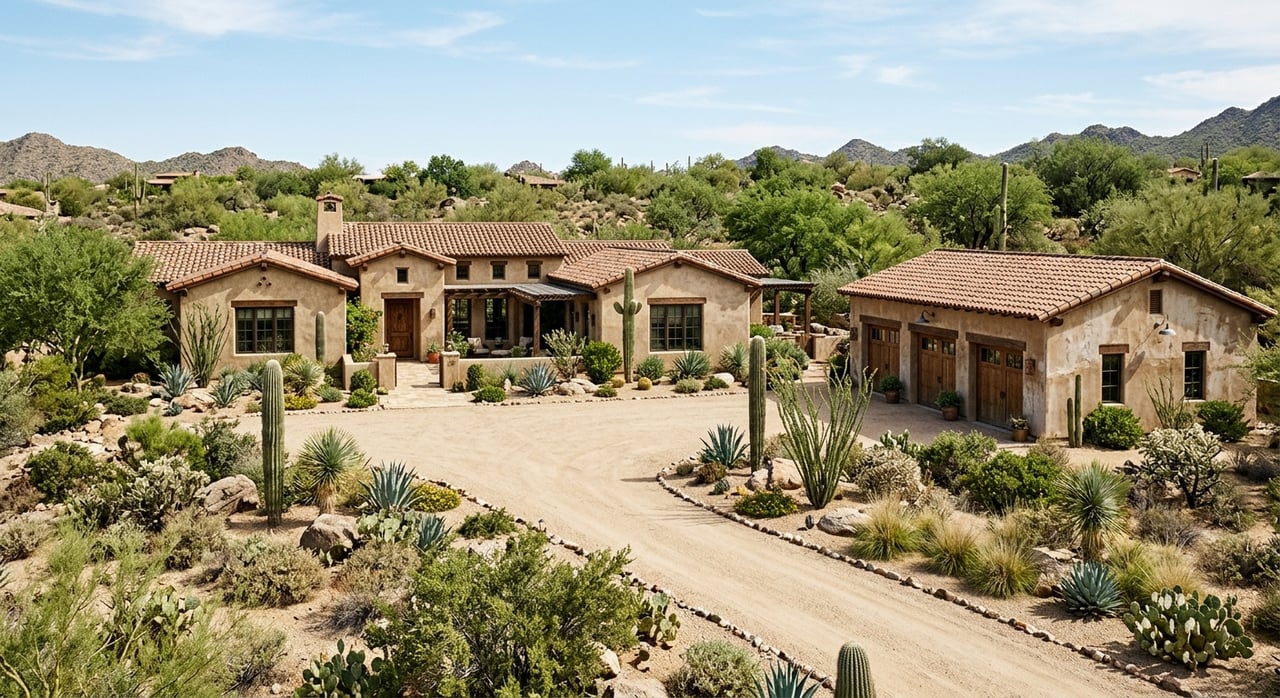
You should also notice the home’s orientation. University of Arizona architectural sources note that desert-responsive design often uses large overhangs, courtyards, east-west orientation, and fewer west-facing windows to help manage sun exposure.
When you walk a property, look for these basics:
Landscape shade can help more than many buyers realize. The Department of Energy says trees and evapotranspiration can reduce surrounding air temperatures by as much as 6°F, and areas directly under trees can be much cooler than nearby pavement.
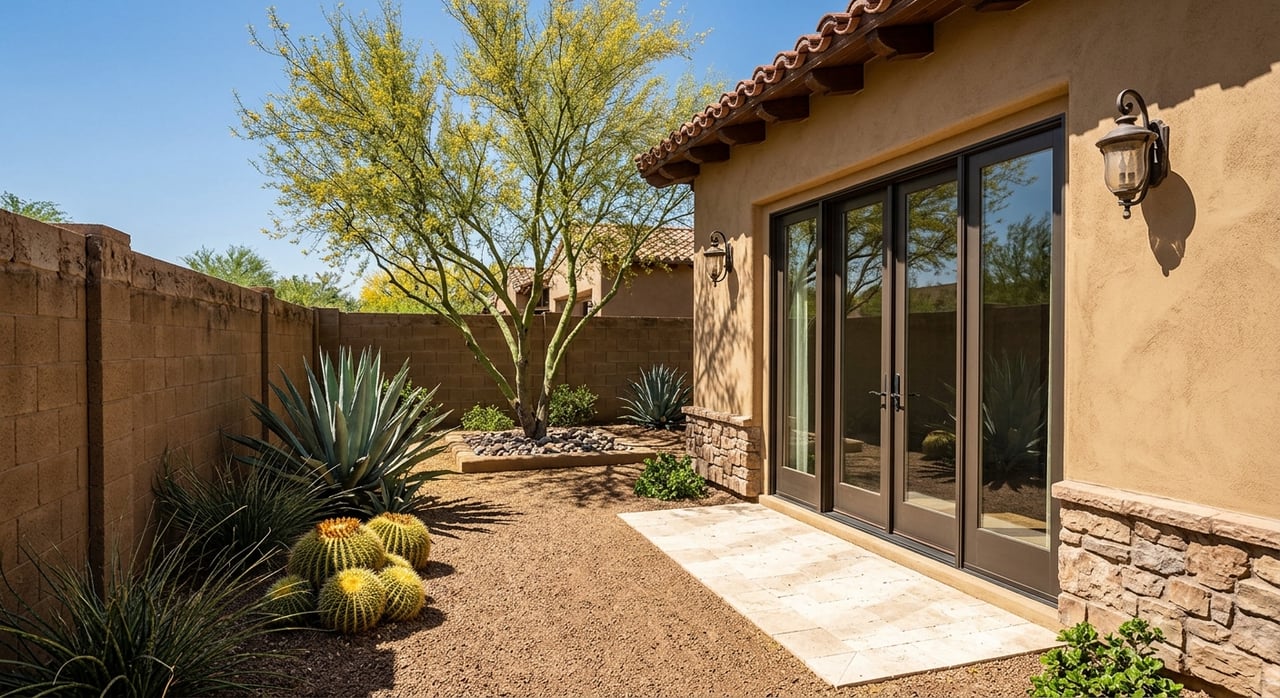
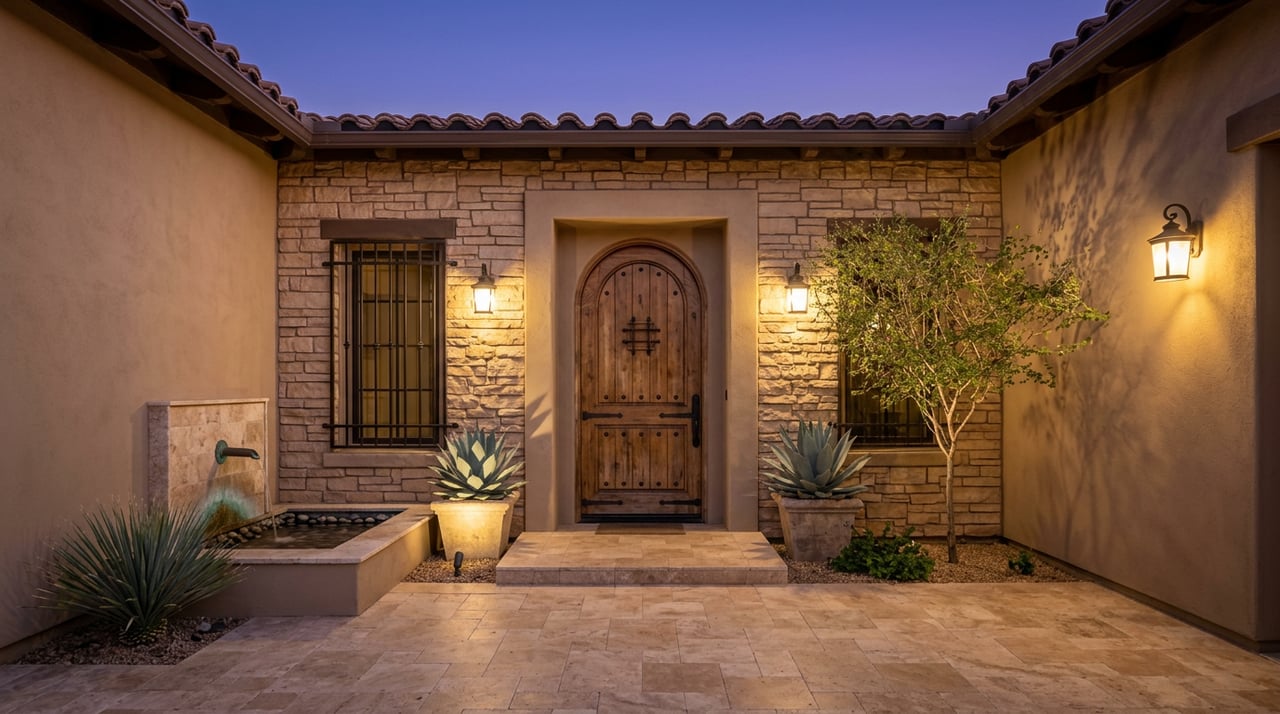
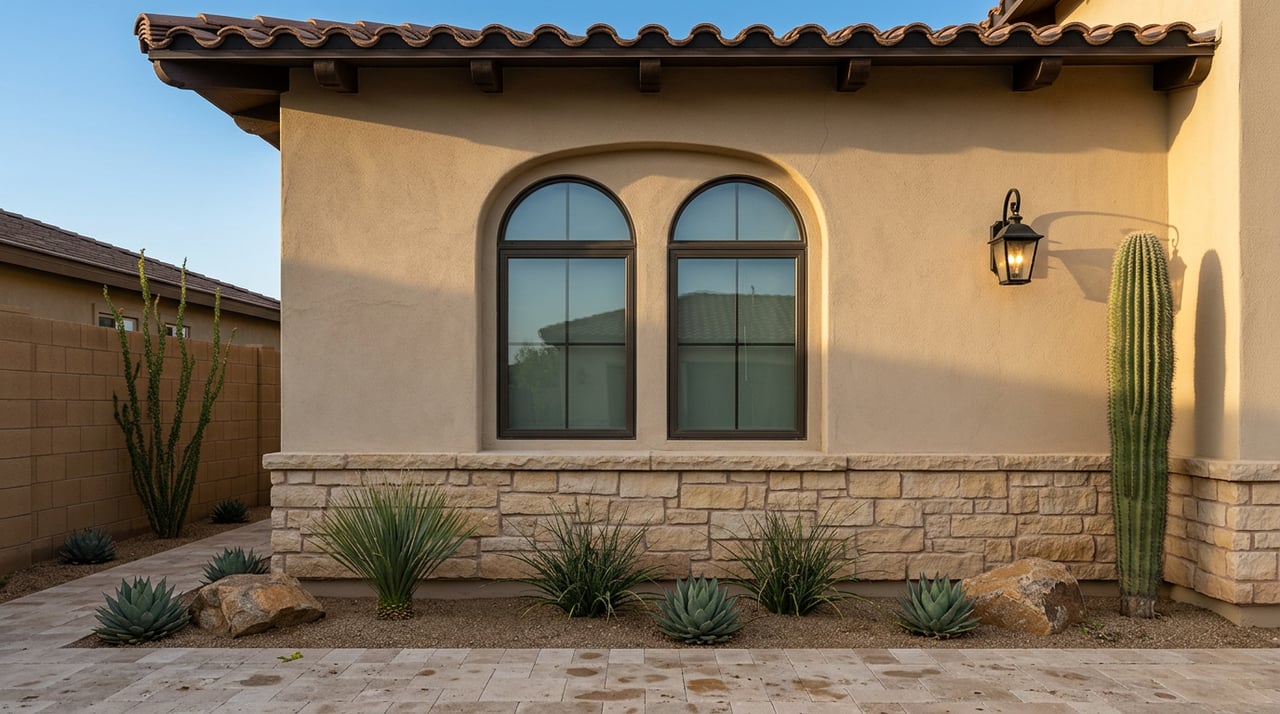
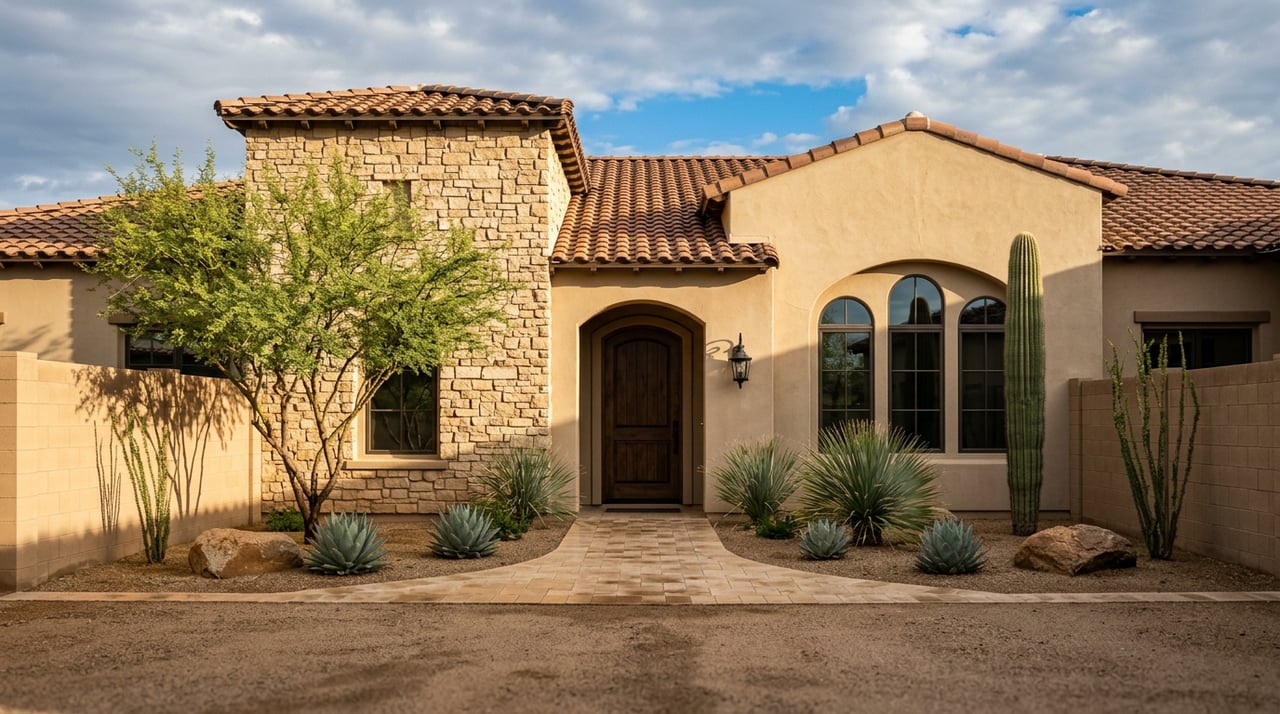
Many Tucson homes reflect desert-specific materials and design choices. University of Arizona sources describe common local styles and materials such as smooth stucco, red clay tile roofs, adobe, brick, burnt adobe, and stuccoed concrete or concrete block.
These materials are part of the region’s architectural identity, but they also reflect practical desert design. Durable materials have long been favored here, and many homes are built with heat, sun exposure, and low moisture in mind.
For you as a buyer, this means it helps to understand how the home was built and how that construction supports desert living. A home that looks simple on the surface may actually offer smart climate-responsive details.
In Tucson, water is not just a utility bill. It is part of how you plan your yard, maintain your irrigation, and think about long-term upkeep.
Tucson is located in a state-designated Active Management Area, where groundwater is actively managed. Tucson Water says the city’s potable supply comes from local aquifers and annually refreshed Colorado River water, while reclaimed water is distributed through a separate network for landscape irrigation.
The City of Tucson notes that an average property’s water use is about 60% internal and 40% external. That is one reason landscaping choices matter so much when you buy.
If you are coming from a greener climate, you may be used to seeing lawns as a simple feature. In Tucson, the better question is how the yard uses water and how much maintenance it requires.
Tucson Water recommends drip irrigation, watering early in the day, checking for leaks and stuck valves each month, and reprogramming irrigation controllers at least twice a year. The city also notes that newly planted vegetation needs more water, while cactus and succulents need very little after establishment.
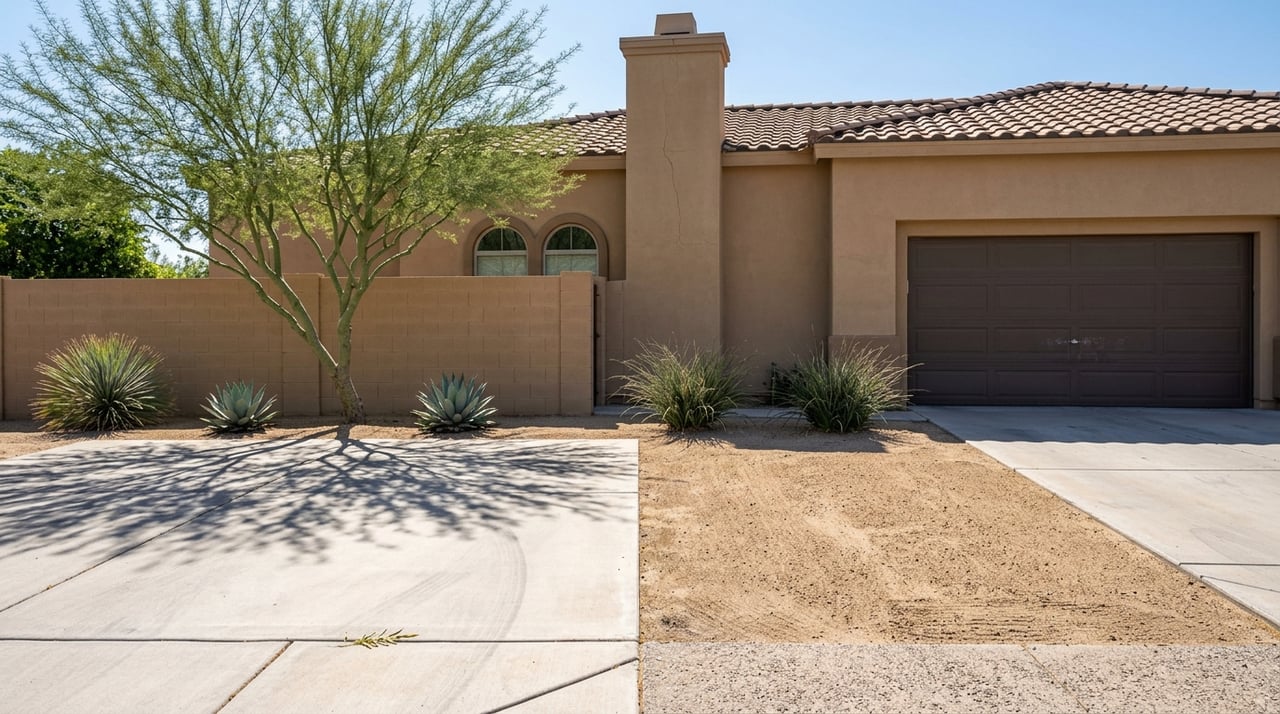
Mulch also helps retain soil moisture, and city guidance points homeowners toward low-water-use planting and water-harvesting strategies that can be adapted for residential lots. For buyers, that means the yard should be part of your showing checklist, not an afterthought.
Ask questions like these when you tour a home:
Tucson Water also notes that the local supply tends to be hard because of the blend of groundwater and Colorado River water. That can affect taste and day-to-day expectations, even though the city says it is not a health risk.
Outdoor living is a major part of the Tucson lifestyle, but desert yards can bring wildlife close to home. Arizona Game and Fish says javelina are common in most of Tucson, and coyotes are common in suburban and rural Arizona.
These animals are often attracted by the same things that make a yard feel functional to homeowners. Birdseed, pet food, garbage, fallen fruit, irrigation hoses, pools, water bowls, and sheltered spaces under porches or sheds can all draw wildlife in.
Arizona also has 13 rattlesnake species, and in warm desert areas they are often active from March through October. That does not mean you should avoid outdoor living. It means you should evaluate a property with realistic expectations about how the yard is set up.
The practical implications are straightforward. If you have dogs, backyard chickens, or garden plans, look closely at fencing, enclosures, and how easy it will be to secure attractants.
Arizona Game and Fish repeatedly advises homeowners to remove attractants rather than trying to make wildlife comfortable around the property. The department also notes that Pima County prohibits feeding wildlife.
Useful features to look for include:
In Tucson, a lot can look perfectly dry and still have runoff issues during monsoon storms. The National Weather Service warns that flash floods are common in Arizona and that low-water crossings can become dangerous quickly.
This is why lot drainage is a major due-diligence item for relocating buyers. A home near a wash, on a slope, or along a runoff path may need closer review than the listing photos suggest.
Ask whether the property has experienced flooding during monsoon storms. Also ask how water moves across the lot and whether there are visible signs of erosion, pooling, or runoff channels.
One practical point from the research is especially important: flood losses are not covered by a normal homeowners policy. That makes drainage questions even more important before you buy.
Many relocating buyers are surprised by how much HOA rules can shape everyday decisions. In Arizona, the Arizona Department of Real Estate says buyers should review the public report before signing a purchase contract for new subdivisions, and in resale transactions should carefully read the seller’s disclosure, purchase contract, and CC&Rs.
That matters in Tucson because HOA rules may affect some of the exact features buyers often want to change after moving in. ADRE warns that CC&Rs may restrict landscaping, RV parking, play equipment, satellite antennas, and similar items.
State law also recognizes design review and architectural committees in planned communities. So if you are thinking about adding fencing, shade structures, turf conversion, or landscape changes, do not assume approval will be automatic.
Before you commit to a property, ask:
For many Tucson buyers, these details have a direct impact on how well a property fits their lifestyle.
When you relocate to Tucson, it helps to evaluate homes with desert living in mind from the start. Instead of focusing only on finishes, think about how the property handles heat, water, runoff, pets, wildlife, and community rules.
That shift in perspective can help you avoid surprises after closing. It can also help you spot homes that are genuinely well-suited to Tucson living, even if they do not stand out at first glance.
A smart Tucson home search often comes down to asking better questions. Is the lot shaded? How is the irrigation set up? What happens during monsoon season? Are the outdoor spaces easy to maintain? Will HOA rules affect your plans?
Those are the kinds of details that can shape your comfort and ownership experience in a desert market.
If you are planning a move to Tucson, working with a local advisor who understands these day-to-day factors can make the process much easier. The team at Luxury Signature Group offers personalized guidance for relocating buyers across the Tucson area, with the local insight and hands-on support that help you make a confident move.
Get assistance in determining current property value, crafting a competitive offer, writing and negotiating a contract, and much more. Contact us today.