Marana Acreage Home Selling: What Owners Should Know
July 9, 2026
July 9, 2026
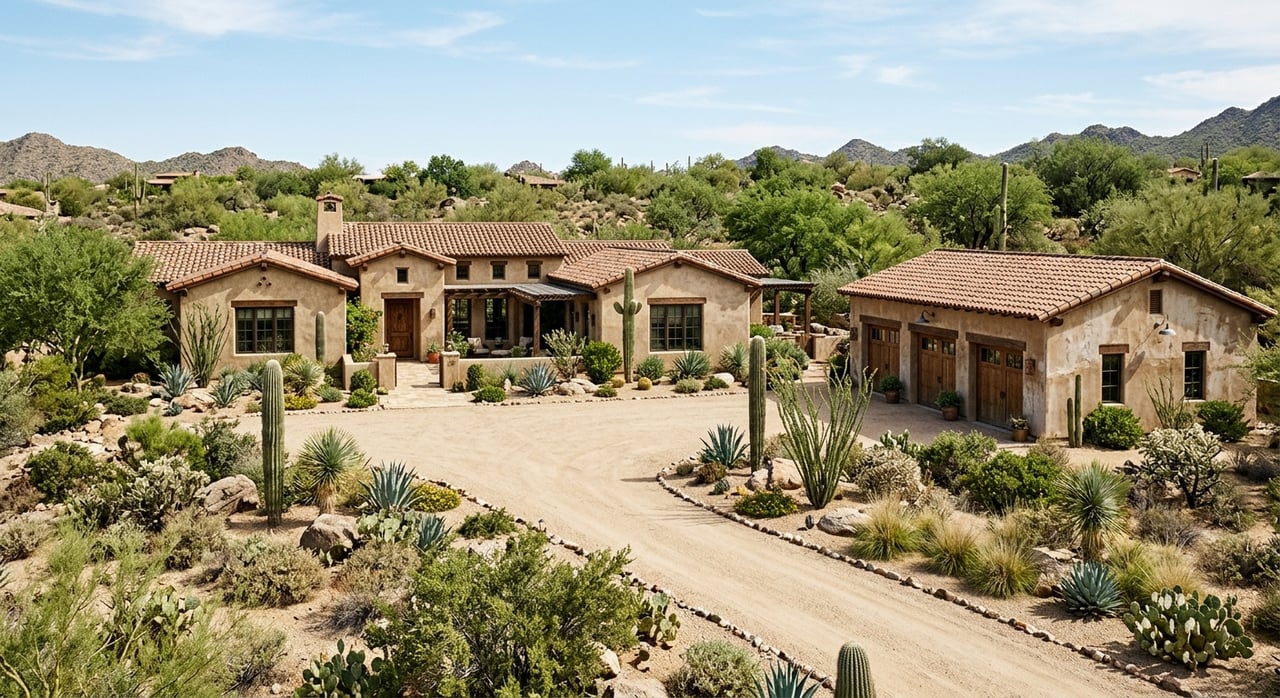
Are you wondering how to sell a mini-ranch or acreage home in Marana without leaving money on the table? These properties can attract serious interest, but they also come with details that buyers notice fast, from zoning and access to wells, septic systems, and usable land. If you want a smoother sale and a stronger marketing story, it helps to know what sets acreage homes apart in this local market. Let’s dive in.
Selling a mini-ranch or acreage property in Marana is not the same as selling a house in a typical subdivision. Buyers are not just evaluating the home itself. They are also looking closely at the land, how it can be used, and what ownership will involve day to day.
Marana’s land-use framework includes rural and agricultural districts such as AG, RD-180, R-144, R-80, and R-36. That means zoning can shape buyer expectations in a big way, especially when someone wants space for horses, equipment, hobbies, or future improvements. Before you market the property, it is smart to verify zoning and land-use details through Marana Maps and parcel information through Pima County GIS.
Acreage also brings more complexity around parcel size. Pima County notes that parcel-area estimates are not exact, so when exact land size matters, buyers may rely more on the legal description, recorded plat, and survey. In other words, your listing should be accurate, but you should also be prepared for buyers to ask for supporting documentation.
Pricing is one of the biggest decisions you will make. In Marana, recent housing data shows a median sale price of about $440,000 over the last three months, with homes taking a median of 72 days to sell. At the same time, about 37.6% of listings have experienced price drops.
A separate market source shows an average home value of $436,961 and homes pending in around 46 days. The numbers are directionally similar, even though the methodologies differ. The key takeaway is simple: buyers are active, but overpricing can slow your sale.
For a mini-ranch or acreage home, pricing needs to go beyond bedroom count and square footage. You also need to account for factors like:
A property with well-documented features and practical utility can justify stronger value than one with unanswered questions. Buyers often pay for clarity as much as they pay for land.
Acreage buyers usually want more than a pretty listing. They want to understand how the property functions. If your marketing does not answer that clearly, buyers may move on before scheduling a showing.
That matters because online search drives a large share of home discovery. According to NAR’s 2024 buyer research, 52% of buyers found the home they purchased on the internet, and 72% used mobile or tablet devices during their search. The same research found that photos and detailed property information were the most useful website features.
For a Marana mini-ranch, this means your digital presentation needs to do real work. Standard exterior photos are not enough when much of the value may be tied to site layout, open land, access, or detached structures.
When you sell a unique property, presentation matters. Buyers need to see not only the house, but also the shape of the land and how the property lives.
Strong marketing assets may include:
This approach fits how buyers actually shop. It also helps local and out-of-area buyers make sense of a property before they visit in person.
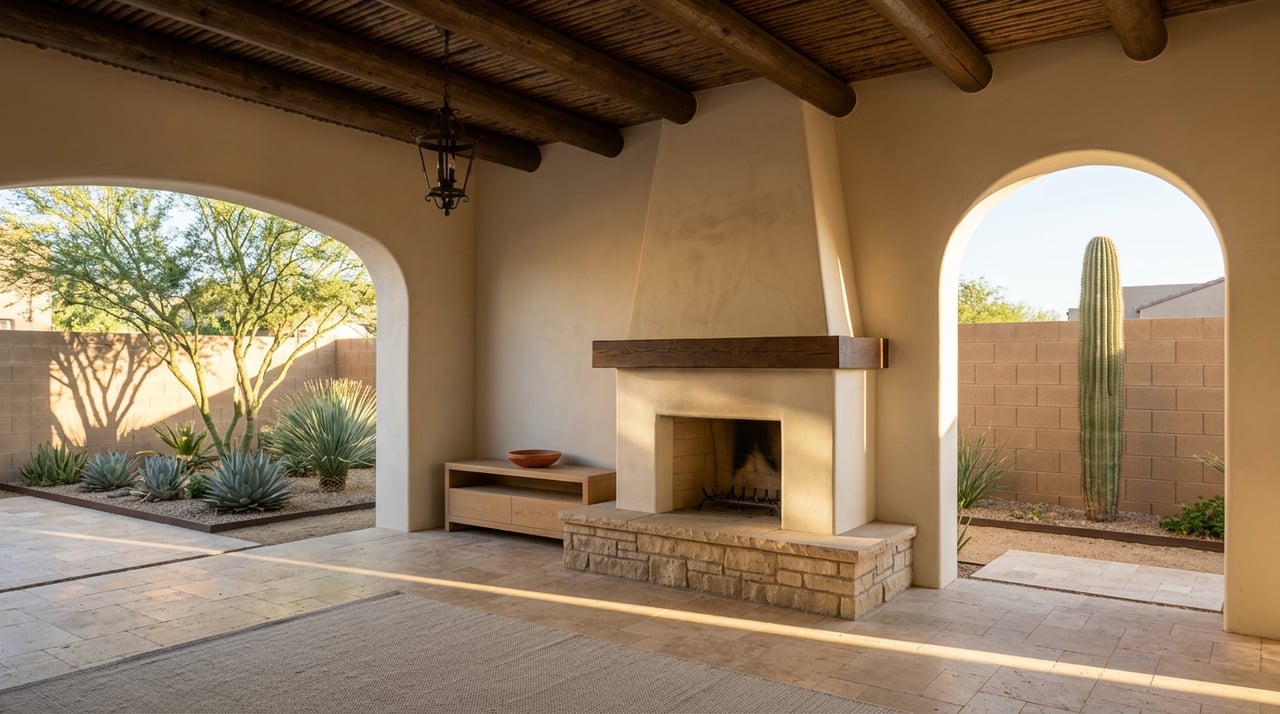
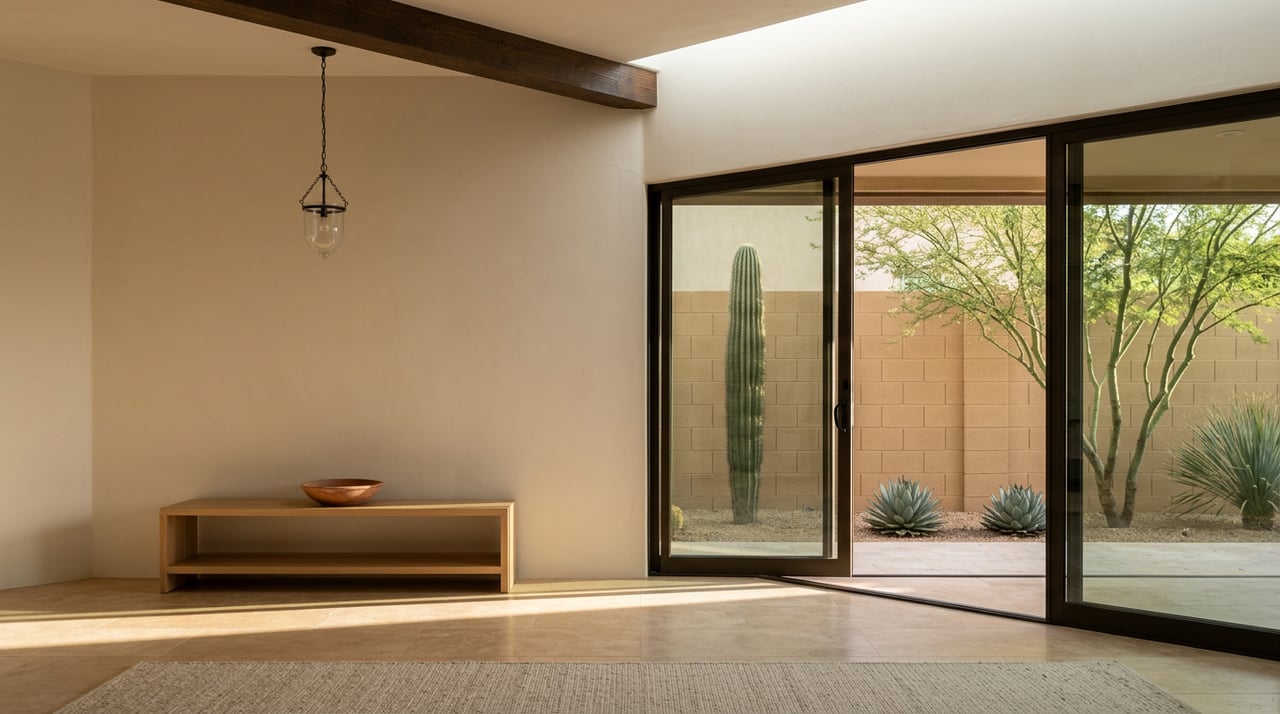
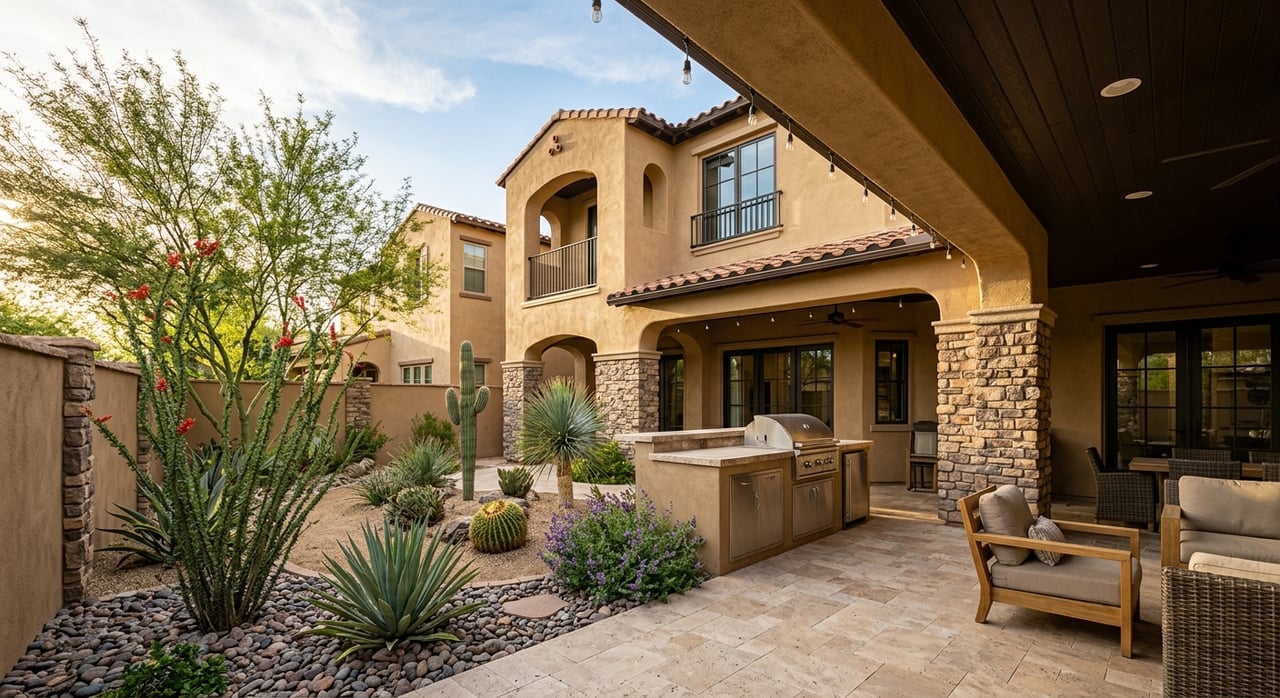
Staging can still help on rural or semi-rural properties, but the goal is a little different. You are not just decorating a home. You are helping buyers picture how the home and land work together.
NAR’s 2025 staging report says 29% of agents saw staging increase the dollar value offered by 1% to 10%, and 49% said staging reduced time on market. For a mini-ranch or acreage listing, the best staging often highlights outdoor living, functionality, and the property’s best-use story.
That could mean cleaning up tack or storage areas, organizing a workshop, defining outdoor seating zones, or making gates and pathways easy to understand. Buyers feel more confident when the property appears manageable, intentional, and ready to use.
Access is one of the most important issues for acreage homes. Buyers may ask whether the property has direct road access, recorded easements, shared drive arrangements, or maintenance obligations.
If the property is in unincorporated Pima County, Arizona law requires a seller of five or fewer parcels to furnish an affidavit of disclosure at least seven days before transfer. That affidavit specifically addresses legal and physical access. Even if your property is within the broader Marana area, this is a detail worth confirming early so there are no surprises later.
The practical takeaway is to gather documents ahead of time. If there is a recorded easement, shared access agreement, or survey that clarifies the route in and out, having it ready can reduce buyer hesitation.
Utilities can make or break buyer confidence on an acreage property. Unlike many subdivision homes, mini-ranches may have a mix of service arrangements that need to be verified by address.
Marana Water states that there are several different water providers within the town limits and that the address must be checked to confirm whether a home is in Marana Water’s service area. That means you should not assume the provider based on location alone.
If the home has a private well, the Arizona Department of Water Resources regulates wells and allows records to be searched by parcel number. If the property is served by a septic or alternative onsite wastewater system, the Arizona Department of Environmental Quality says the seller must retain a qualified inspector to complete the transfer-of-ownership inspection within six months before transfer and provide the buyer with the report and related system records.
These are not small details. They are core parts of the property story, and buyers often want answers before they make a serious offer.
Disclosures matter in every sale, but acreage homes often require more supporting information. Buyers may ask about flood hazards, soil conditions, older-home issues, and system records.
For most housing built before 1978, federal rules require lead-based paint disclosure, buyer information materials, and disclosure of known hazards. Arizona also allows third-party disclosure reports for conditions such as flood hazard areas and expansive soils when supported by official maps.
Being proactive helps. When you organize your records before going live, you create a smoother experience for buyers and reduce the chance that the transaction slows down during due diligence.
Your likely buyer may live nearby, but that is not the full picture. Redfin’s search-based migration data shows that 69% of Marana homebuyers looked to stay within the metropolitan area, while Phoenix, Seattle, and Los Angeles were leading inbound metros in that sample.
That does not mean every inquiry becomes a move, but it does show why broad online exposure matters. A mini-ranch listing should speak to both local move-up buyers and out-of-area lifestyle buyers who may not know the area or local property norms.
That is why your listing needs to answer practical questions fast:
The easier you make it for buyers to understand the property, the easier it becomes for them to picture ownership.
The best acreage sales often start before the listing goes live. A little extra preparation can help you avoid delays, sharpen pricing, and market the property with more confidence.
Here is a practical pre-listing checklist for a Marana mini-ranch or acreage home:
This prep work helps buyers trust the information they see. It also makes your property easier to market in a way that feels polished and complete.
Mini-ranch and acreage homes can be some of the most rewarding properties to sell, but they usually need a more hands-on approach. There are more moving parts, more buyer questions, and more ways for strong presentation to make a difference.
That is where boutique representation can help. With local knowledge, curated marketing, and careful attention to details like access, utilities, parcel data, and presentation, you can position your Marana property more effectively from day one.
If you are thinking about selling a mini-ranch or acreage home in Marana, Luxury Signature Group can help you create a smart pricing and marketing plan tailored to your property.
Get assistance in determining current property value, crafting a competitive offer, writing and negotiating a contract, and much more. Contact us today.