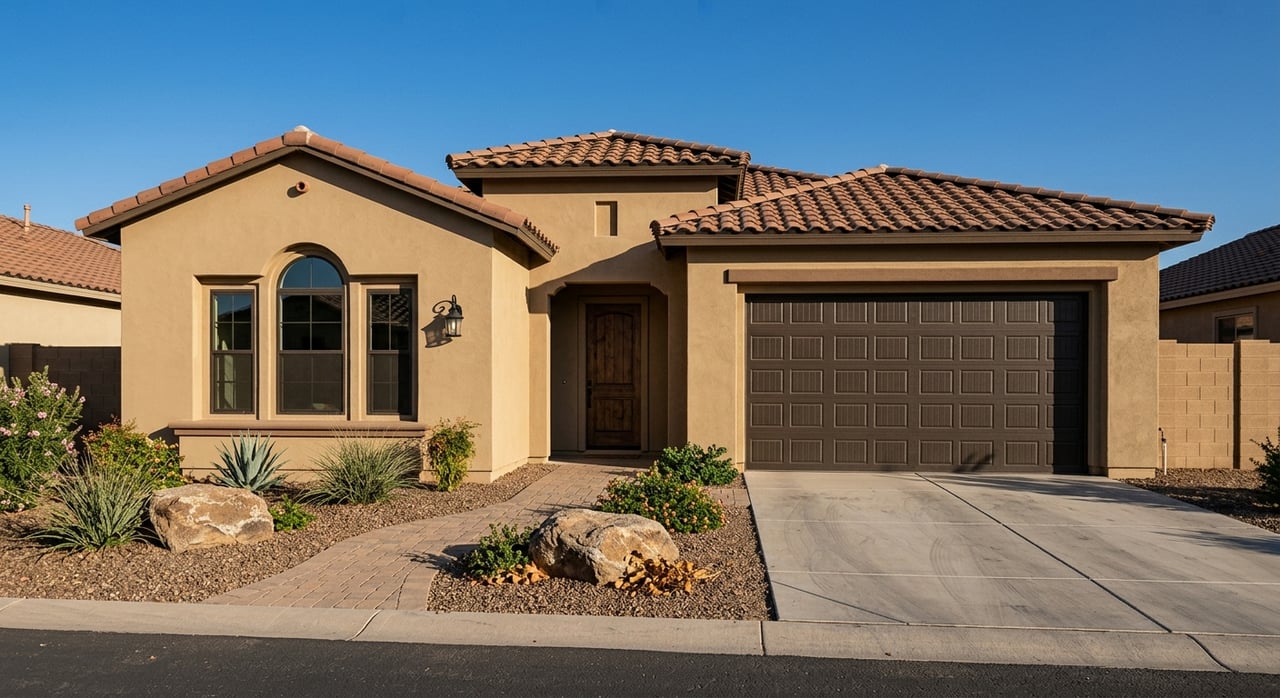
Green Valley Townhome or House: How to Choose
June 25, 2026
June 25, 2026
If you are deciding between a townhome and a house in Green Valley, the right answer usually comes down to one simple question: how much upkeep, flexibility, and shared structure feels right for your lifestyle? That choice can feel especially important in a market shaped by owner-occupied homes, deed restrictions, and community amenities. In this guide, you will see how townhomes and houses differ in Green Valley, what costs to compare, and which details deserve a closer look before you buy. Let’s dive in.
Green Valley is an unincorporated community in Pima County, not an incorporated city. According to the 2020 Census, it had 22,616 residents, an 86.2% owner-occupied housing rate, and a median owner-occupied home value of $293,500.
Those numbers matter because they help frame what many buyers are looking for here. Green Valley also has a very large older population, with 80.5% of residents age 65 or older, which helps explain why many buyers focus on manageable monthly costs, low-maintenance living, and amenity access.
At first glance, the choice may seem easy. A townhome often suggests less exterior work, while a detached house suggests more space and independence.
In Green Valley, though, the legal structure matters just as much as the building style. A townhouse-style property may be part of a planned community or it may be legally structured as a condominium, and that difference can affect maintenance duties, ownership rights, and what the governing documents allow.
Under Arizona law, homeowners associations are common-interest organizations where membership is automatic for owners and assessments are mandatory. Arizona also distinguishes between planned communities and condominiums based on who owns the common areas or common elements.
In a planned community, the HOA owns the common areas. In a condominium, unit owners own the common elements in common, and those common elements often include land, exterior walls, walkways, and recreational areas.
That means you should not assume a property works a certain way just because the listing calls it a townhome. The recorded documents matter more than the label.
A detached house often appeals to buyers who want more control over their property. You may have more private outdoor space, more separation from neighbors, and more freedom in how the home feels day to day.
That said, more independence often means more direct responsibility. Yard work, exterior upkeep, and repair planning may fall more heavily on you, depending on the property and any community rules.
A detached house may be a better fit if you want:
For some buyers, that tradeoff is worth it. If you enjoy having room to spread out and do not mind managing more maintenance, a house may feel like the better long-term fit.
Townhomes and similar attached homes often appeal to buyers who want a simpler ownership routine. In many communities, they can mean less yard work, fewer exterior chores, and a more lock-and-leave lifestyle.
Still, that is not automatic. The exact split between owner responsibilities and association responsibilities depends on the CC&Rs and whether the property is structured as a planned community or condominium.
A townhome may be a better fit if you want:
For buyers who want to simplify homeownership, that can be a major advantage. The key is confirming exactly what is covered before you commit.
One of the biggest mistakes buyers make is rolling every housing cost into one mental number. In Green Valley, it is smarter to separate property taxes, HOA dues, and GVR costs so you can compare options clearly.
Pima County states that property taxes are based on assessed value and tax rate. Those taxes are separate from any HOA assessments or recreation-related dues tied to the property.
Green Valley Recreation, often called GVR, is a major part of the local lifestyle picture. GVR serves about 80% of households in the Green Valley area and operates 15 recreation centers, including a 24-court pickleball center.
Its membership is tied to the property through deed restriction and passes to the next owner when the property sells. GVR states that the current 2026 fee schedule includes:
If you are comparing a townhome and a house, these numbers matter because either property type may or may not include GVR membership. You will want to confirm whether the home is deed-restricted, whether GVR applies, and how those costs affect your monthly and upfront budget.
No. Not every home in Green Valley is automatically part of GVR.
GVR says membership requires a deed-restricted property within its boundaries. It also says that buyers of non-deed-restricted homes inside the boundary can still enroll by signing the restriction and paying the listed fees.
This is one reason side-by-side comparisons matter. Two homes at similar price points may come with very different recurring costs and amenity access.
Price matters, but daily life matters just as much. Green Valley’s demographics and recreation network suggest that many buyers are looking for convenience, community amenities, and manageable upkeep.
That does not mean everyone should buy a townhome. Some buyers still prefer a detached house because they want more outdoor space, fewer shared-rule constraints, or a more independent setup.
As you compare properties, ask yourself:
Your answers can make the right path much clearer. Often, the better choice is the one that fits your routine, not just your price range.
In Arizona, association documents are central to understanding what you are really buying. Arizona law identifies community documents as the declaration, bylaws, articles of incorporation, and rules.
These documents can control use restrictions, owner obligations, and construction or alteration rights. That means they can shape everything from exterior maintenance to rental rules to what changes you can make to the property.
Before choosing between a townhome and a house in Green Valley, review:
This step may not feel exciting, but it is one of the most important parts of the process. A careful review can help you avoid surprises after closing.
If you want lower day-to-day upkeep, shared maintenance in some areas, and a more travel-friendly routine, a townhome may be the better match. If you want more privacy, more outdoor space, and a more independent ownership experience, a detached house may be the better fit.
In Green Valley, there is no one-size-fits-all answer. The smartest move is to compare each property on its own terms, with close attention to legal structure, recurring costs, and the lifestyle you want to create.
Whether you are downsizing, relocating, or simply looking for a home that better matches this stage of life, a thoughtful comparison can save you money, stress, and second-guessing later on.
If you want help sorting through Green Valley homes, community documents, and the real monthly cost of ownership, Luxury Signature Group offers the kind of hands-on guidance that makes your next move feel much more clear.
Get assistance in determining current property value, crafting a competitive offer, writing and negotiating a contract, and much more. Contact us today.